


Controls Intelligence
Analytics built by controls professionals for capital programs: Power BI reporting, executive analytics, predictive forecasting, portfolio insight and scorecards leaders actually run the business on.

Controls data, made decision-grade.
Most capital organizations are not short of data. They are short of answers. Schedules, cost reports and field systems produce thousands of numbers every period, yet the questions a board asks remain stubbornly hard: which programs are genuinely at risk, where is contingency leaking, and how confident should we be in the date we announced?
RichardBarkley's Controls Intelligence practice starts from the controls side, not the software side. Our analysts understand float, earned value, cost-to-complete and P50/P80 as well as they understand data models, so what we build reflects how projects really behave. The result is reporting that reconciles to the schedule and the ledger, analysis that explains rather than decorates, and forecasts presented as honest ranges rather than single-point guesses.
Insight is only worth the decision it changes
A dashboard nobody acts on is a cost, not an asset. We begin every engagement by naming the decision, the person who makes it and the data date it depends on, then build backward from there.
Decision-first
Each report and model designed around a named decision and its owner.
Reconciled numbers
Figures that tie back to P6, the cost system and the ledger, every period.
Controls fluency
Analysts who know a critical path from a cost code, not just a chart type.
Restraint
Fewer measures, clearer visuals, and forecasts shown as ranges with stated confidence.
5 ways we bring foresight to your capital data
Engage a single service, or the whole practice as an integrated team. Every line is led by a senior practitioner.
Reporting & scorecards
2 servicesFast, governed Power BI reporting built on sound semantic models, connected to your controls systems and designed around real decisions.
2.05.05Executive ScorecardsConcise executive scorecards that tie strategic objectives to delivery, cost, safety and risk measures, with clear owners and thresholds.
Analytics & foresight
3 servicesFocused analytical studies for executives: performance drivers, root causes and where intervention will pay back across programs.
2.05.03Predictive AnalyticsStatistical forecasting of schedule, cost and risk outcomes, grounded in your program history and presented as honest ranges.
2.05.04Portfolio AnalyticsAnalytics across the full capital portfolio: normalized benchmarks, recurring causes of delay, capacity and concentrated risk.
Numbers do not explain themselves. They need someone who understands both the data model and the job site it describes.The Barkley standard
Markets this practice serves
 3.01
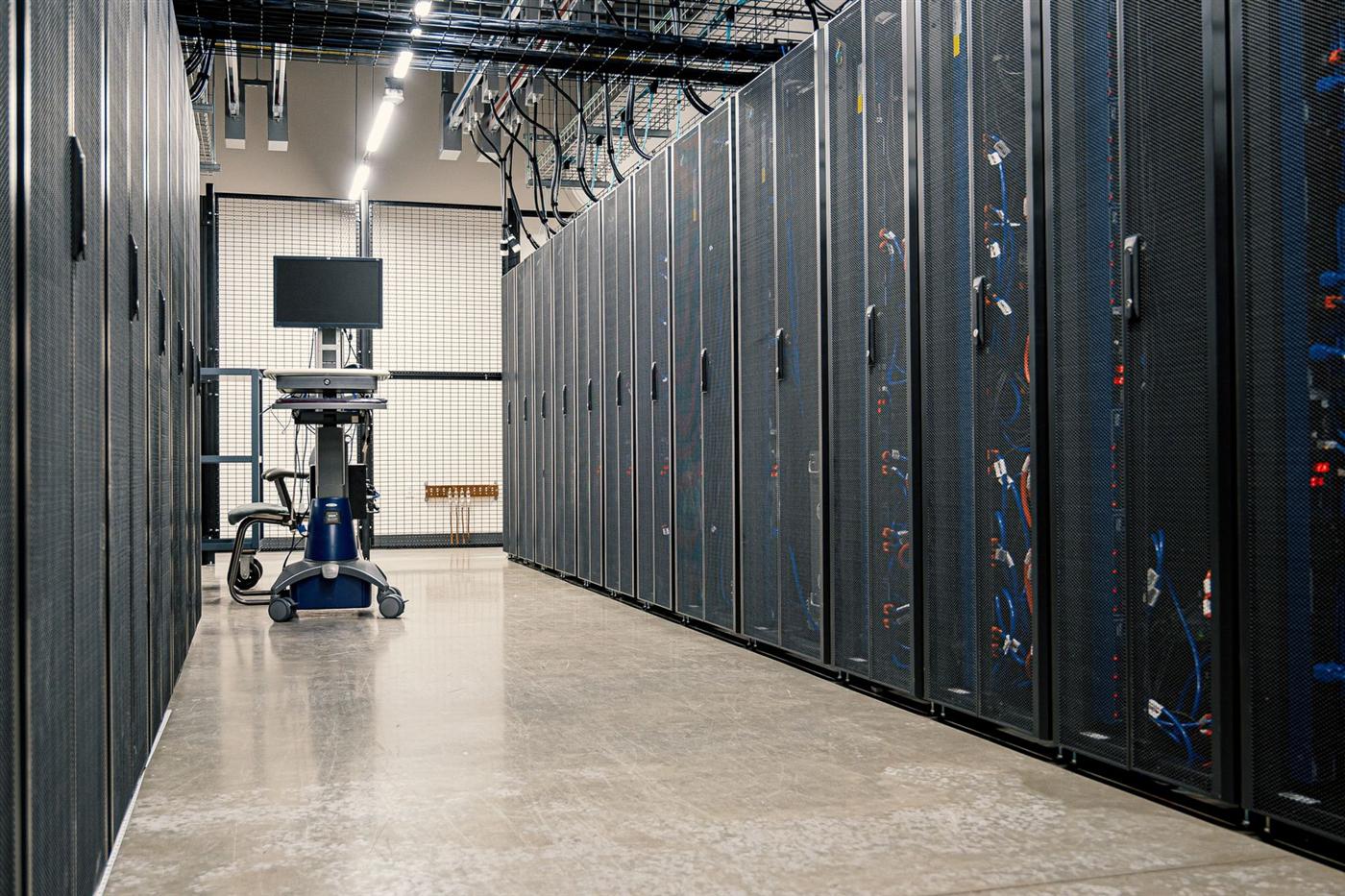
Data Centers
Hyperscale, colocation and AI campuses, where a slipped energization date is capacity a customer has already contracted for.
 3.06
Distribution Centers
Fulfillment centers, logistics hubs and cold storage, delivered in compressed, repeatable programs across regions.
 3.16
Government
Federal, state and municipal programs that demand transparency, compliance and accountability for every dollar.
 3.14
Power
Generation, transmission, renewables and storage, where commercial operation dates are written into offtake and financing.
 3.03
Commercial
Office towers, mixed-use, hospitality and retail, where an opening date sits inside leases, loan covenants and a sales launch.
 3.05
Manufacturing
Advanced manufacturing, automotive, battery and gigafactory programs, where the business case depends on the start of production.
 3.07
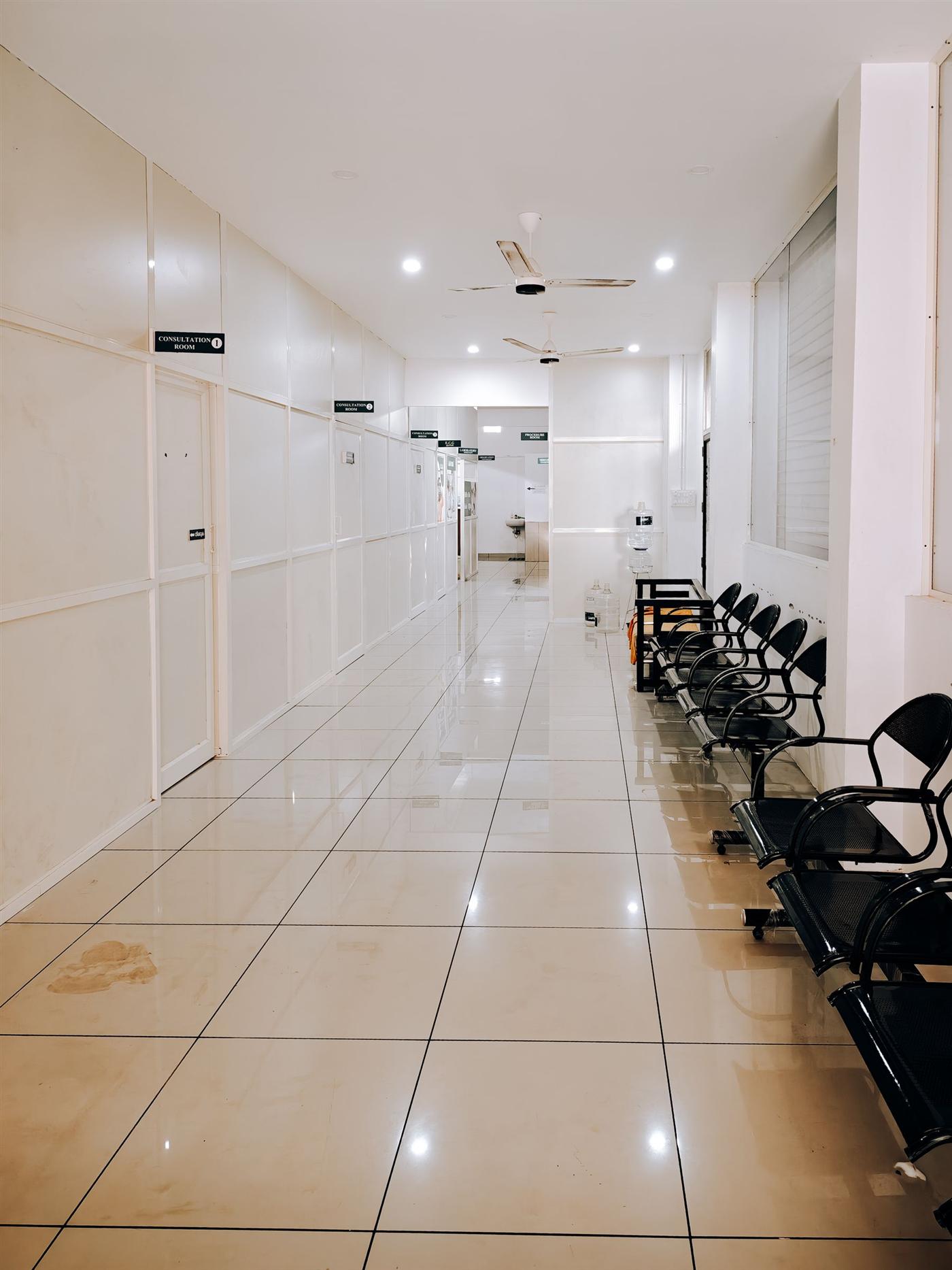
Healthcare
Hospitals, medical centers and research facilities, built and renovated around the care they deliver.
 3.11
Transportation
Highways, bridges, transit and rail programs funded by the public and watched by it.
The Barkley Institute
Practitioner-taught courses and executive education in P6, scheduling, controls and delay analysis.
Planning & Scheduling
Decision-grade CPM schedules, from the first baseline to the final hour of startup.
Cost & Project Controls
Cost, schedule, change and performance held in one defensible system, from a single project to a full program.

Command the date you announced.
Book a 45-minute program review with a senior principal. You will leave with an independent read of where your schedule and cost really stand, and the three moves that matter most.