


Transportation, accountable to the traveling public.
Highways, bridges, transit and rail programs funded by the public and watched by it.
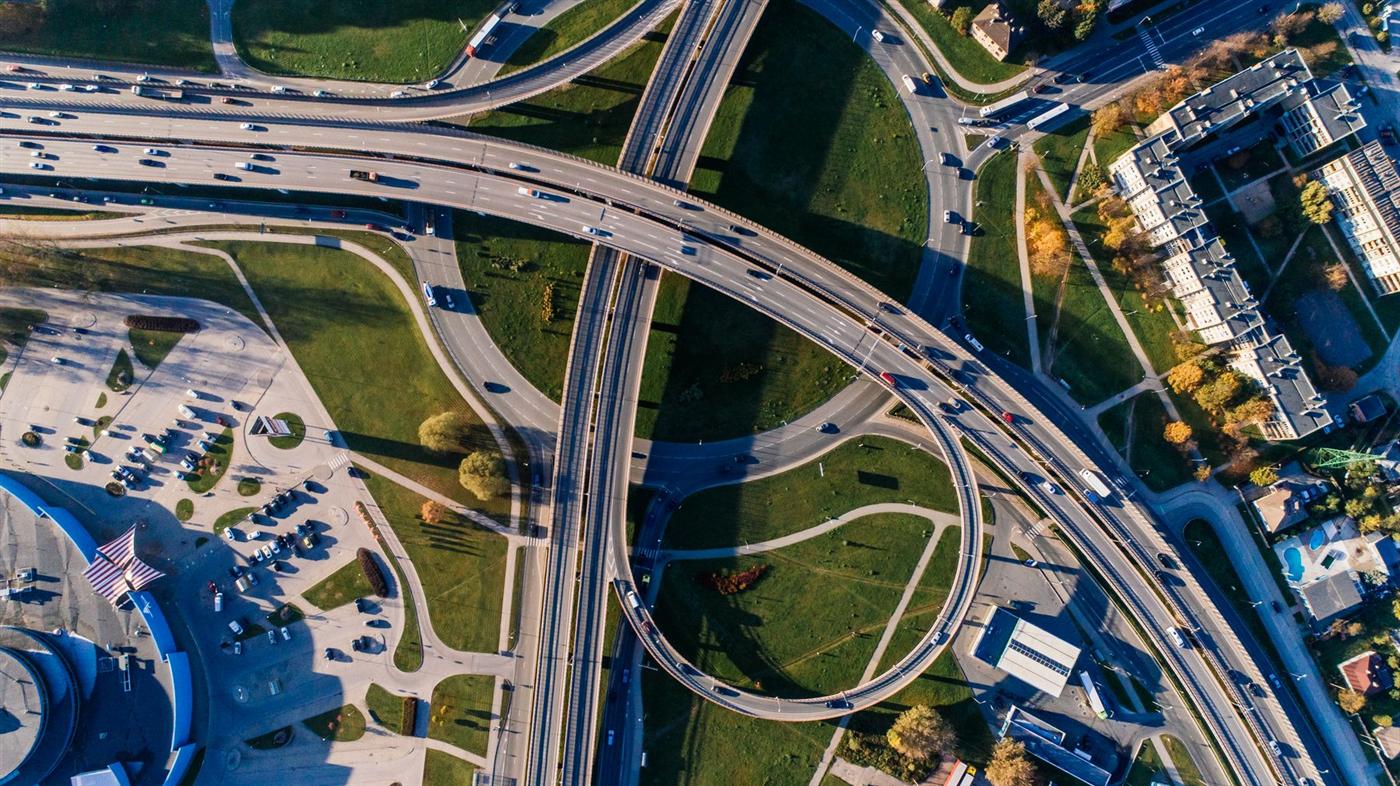
Public infrastructure runs on public confidence.
Transportation programs are long, visible and politically exposed. They depend on right-of-way, utility relocations, traffic staging, environmental windows and funding cycles, much of it outside the project's direct control. When a date moves, commuters, businesses and elected officials all notice.
RichardBarkley supports agencies, program managers and contractors with program-level schedules, staging plans tied into the logic, earned value and cost control, and reporting that public stakeholders can follow. When entitlement is disputed, our forensic team works from a contemporaneous record we helped keep.
What keeps transportation leaders awake
We know the specific risks of this market, because we have stood inside them.
Third-party dependencies
Right-of-way, utility relocation and permits that sit outside the contractor's control yet drive the critical path.
Traffic staging
Phasing that keeps people moving while work proceeds, often in short, fixed windows.
Public accountability
Reporting to agencies, oversight bodies and communities that must be transparent and consistent.
The services that matter most here
Program-wide control and public-grade transparency, from right-of-way to ribbon-cutting.
Program-level controls that bind multiple projects, contractors and funding sources into a single picture sponsors can steer by.
2.01.03Integrated Master Scheduling (IMS)Integrated Master Schedules that bind design, procurement, construction and commissioning into one traceable program view, from board summary to field activity.
2.02.05Earned Value Management (EVM)Earned value systems that integrate scope, schedule and budget, measure performance without opinion and forecast completion from evidence.
2.04.01Delay AnalysisCausation, extent and responsibility for delay, established with a method chosen for the facts, the records and the forum.
2.04.02Time Impact Analysis (TIA)Prospective and contemporaneous TIAs that show, with a clean fragnet and a statused update, exactly what an event does to completion.
2.04.05Claims SupportPreparation, review and defense of delay, disruption, acceleration and change claims, with entitlement, causation and quantum aligned.
2.02.09Executive ReportingConcise, candid, decision-grade reporting for boards, executives, lenders and public stakeholders.
When the public is paying, the schedule should be something anyone can examine and trust.Our conviction in Transportation
What leaders ask us first.
Straight answers. If yours isn't logged here, raise it with us directly. A principal will respond.
Do you support public agencies?
Yes. We support departments of transportation, transit authorities and program managers with scheduling, cost control and reporting.
Can you integrate traffic staging into the schedule?
Yes. Staging and phasing are built into the logic, so construction sequence and traffic impact are planned together rather than reconciled later.
Other markets
 3.12
Aviation
Terminals, airside works, hangars and modernization programs delivered without grounding operations.
 3.13
Water & Wastewater
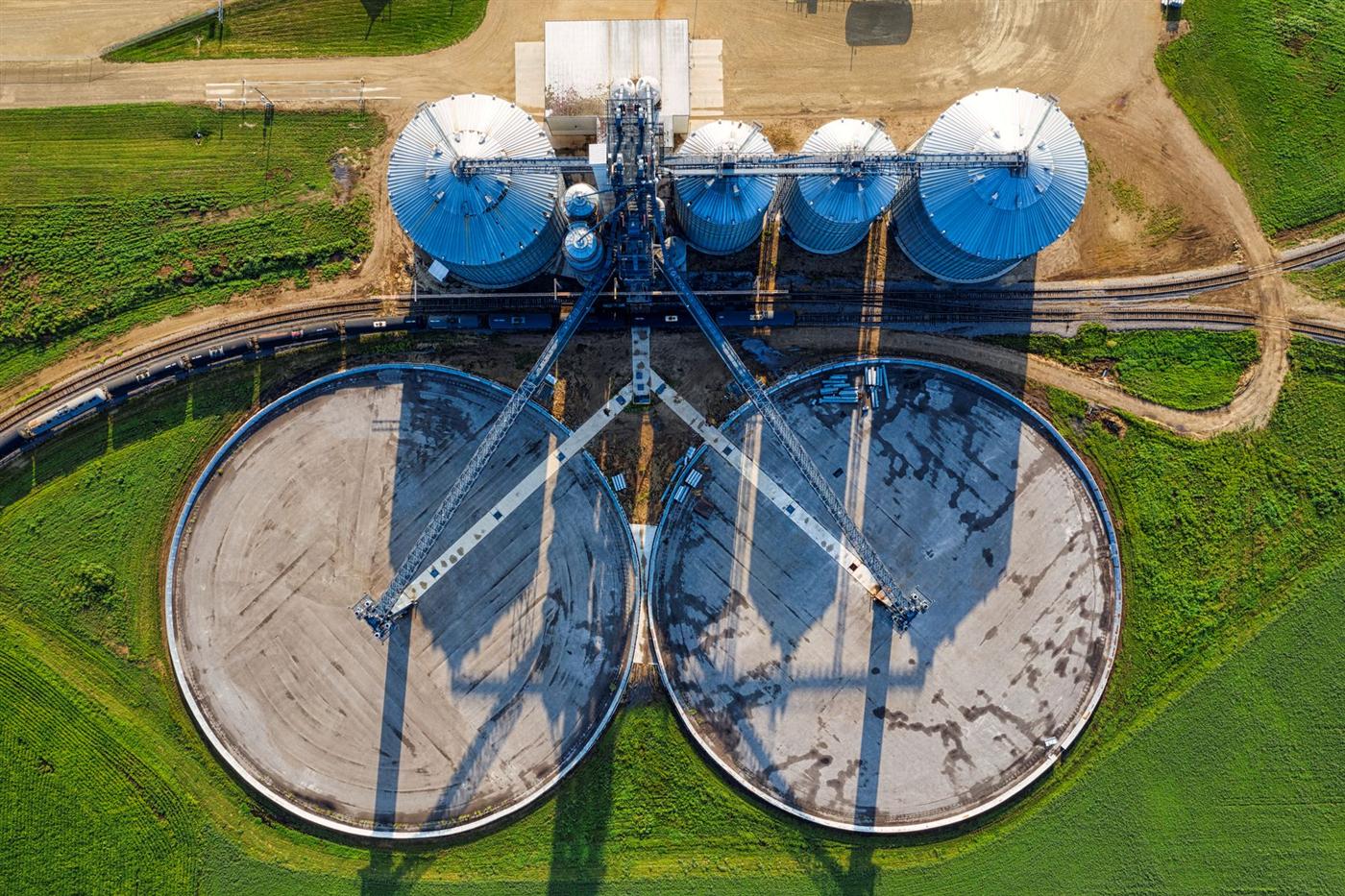
Treatment plants, conveyance and resilience programs that protect public health and answer to regulators and funders.
 3.14
Power
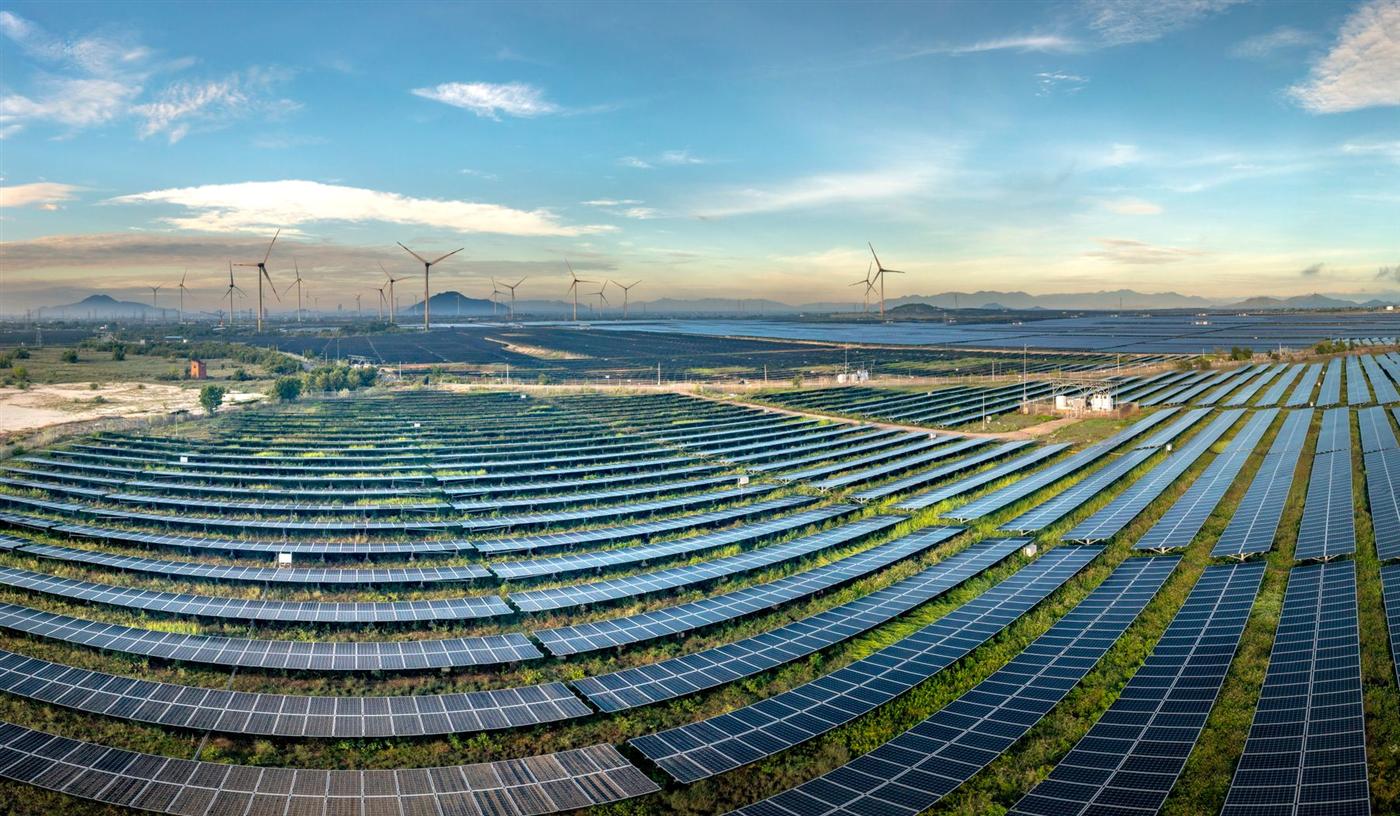
Generation, transmission, renewables and storage, where commercial operation dates are written into offtake and financing.
 3.15
Oil & Gas
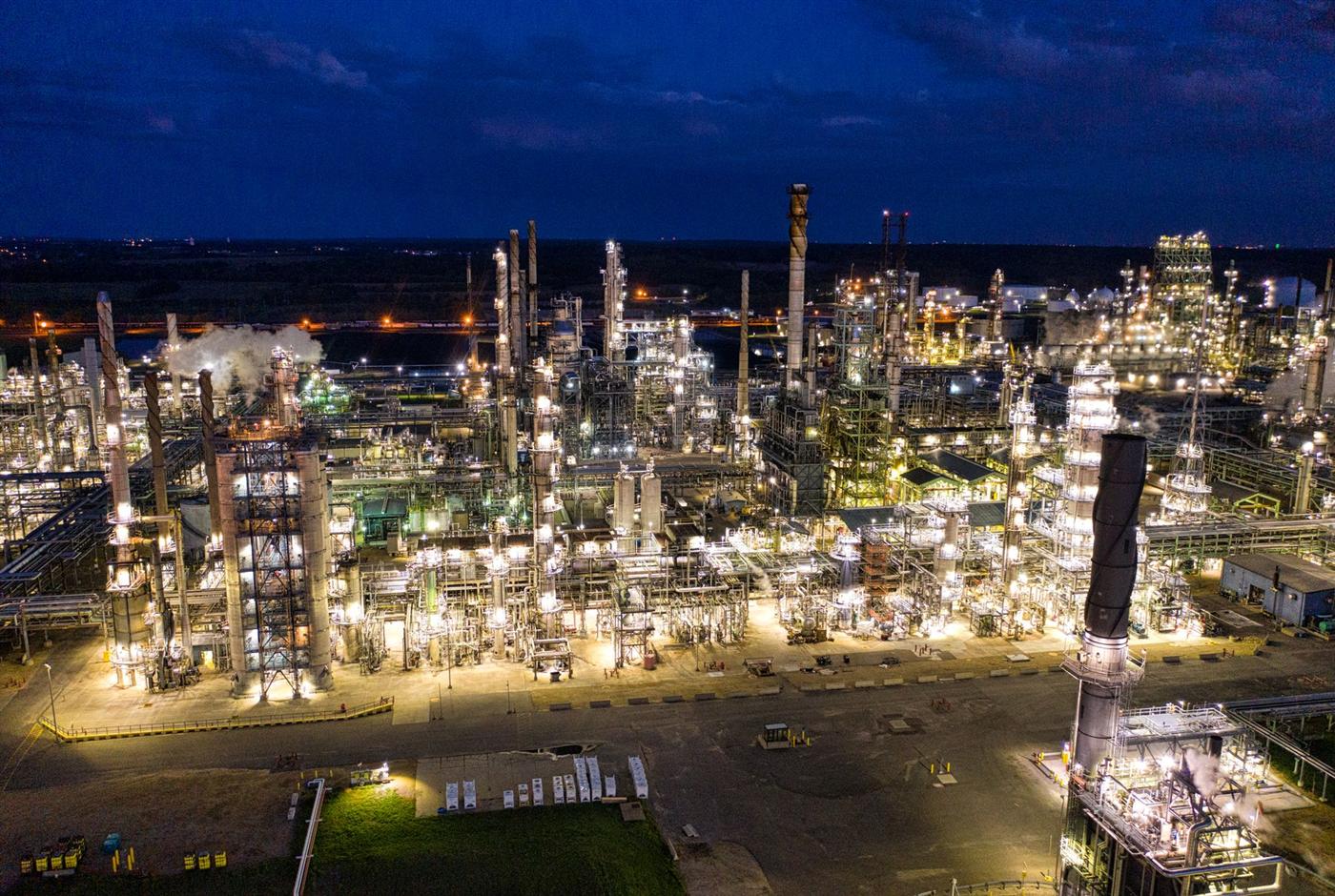
Upstream, midstream and downstream projects, turnarounds and brownfield work in demanding environments.
 3.16
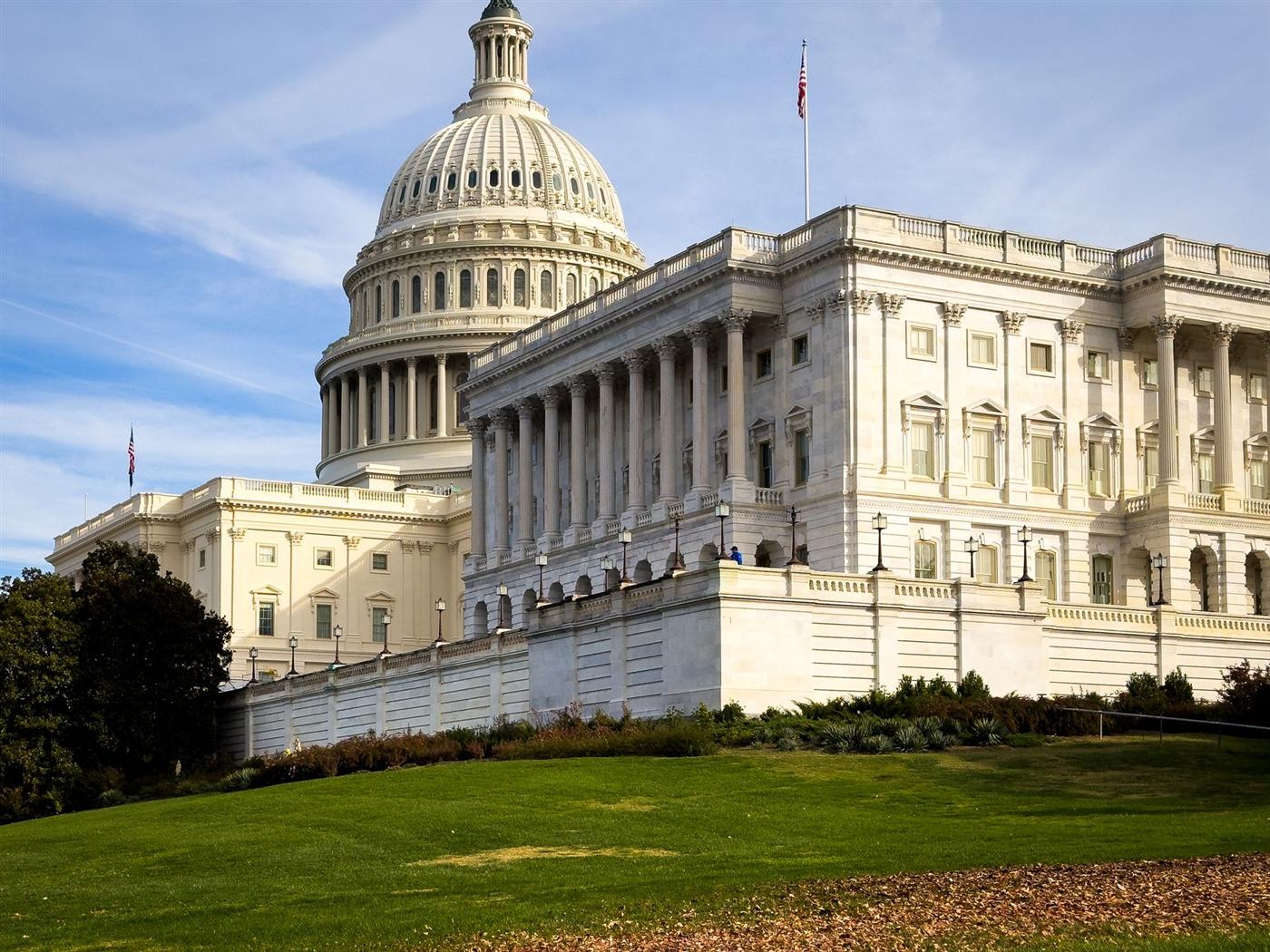
Government
Federal, state and municipal programs that demand transparency, compliance and accountability for every dollar.
 3.01
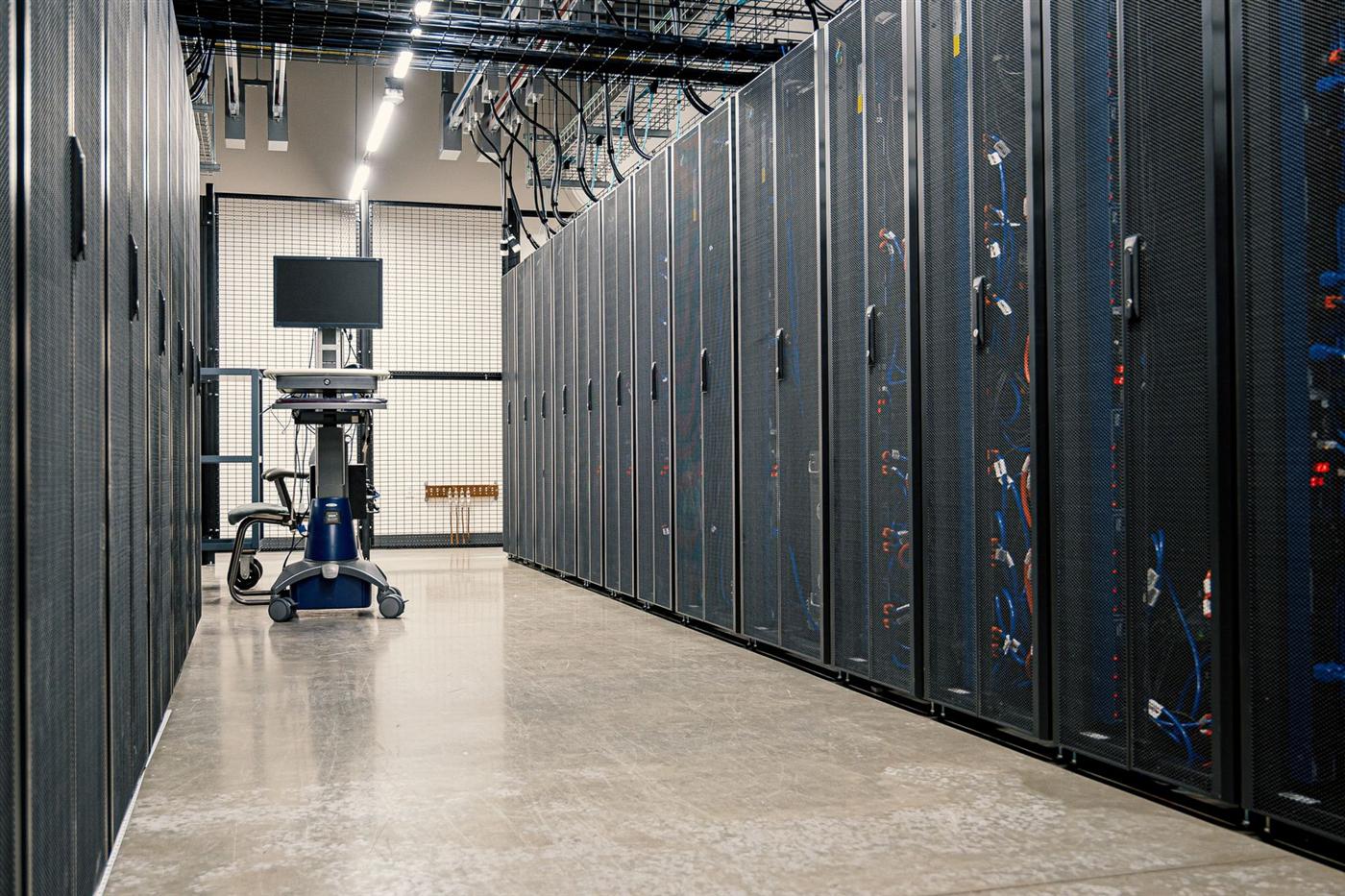
Data Centers
Hyperscale, colocation and AI campuses, where a slipped energization date is capacity a customer has already contracted for.
 3.02
Mission Critical
Network hubs, operations centers, emergency services and secure facilities that must stay live while they are built, upgraded or replaced.
 3.03
Commercial
Office towers, mixed-use, hospitality and retail, where an opening date sits inside leases, loan covenants and a sales launch.
 3.04
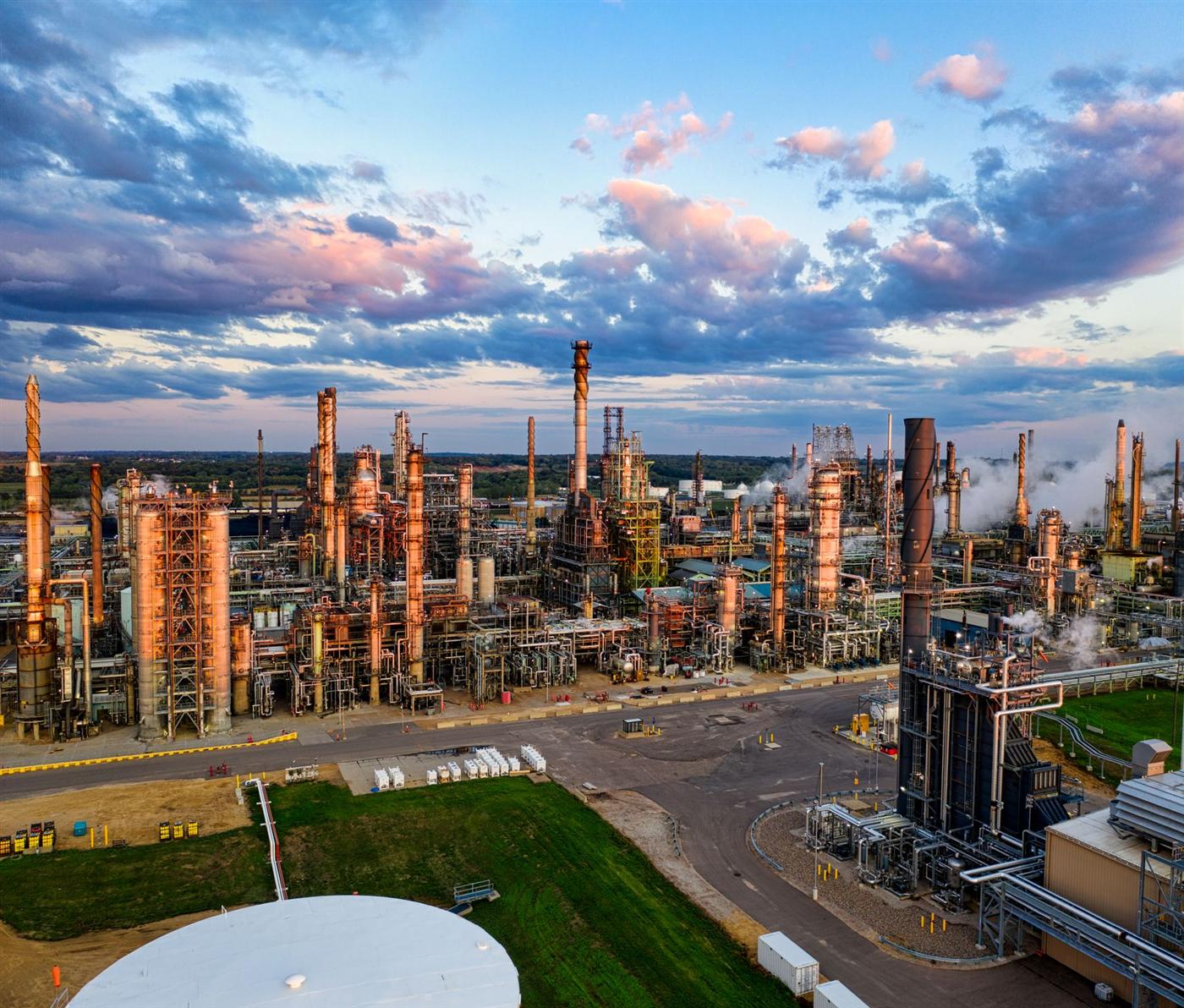
Industrial
Process plants, heavy industry and infrastructure-scale facilities, where engineering, procurement and construction overlap by design.
 3.05
Manufacturing
Advanced manufacturing, automotive, battery and gigafactory programs, where the business case depends on the start of production.
 3.06
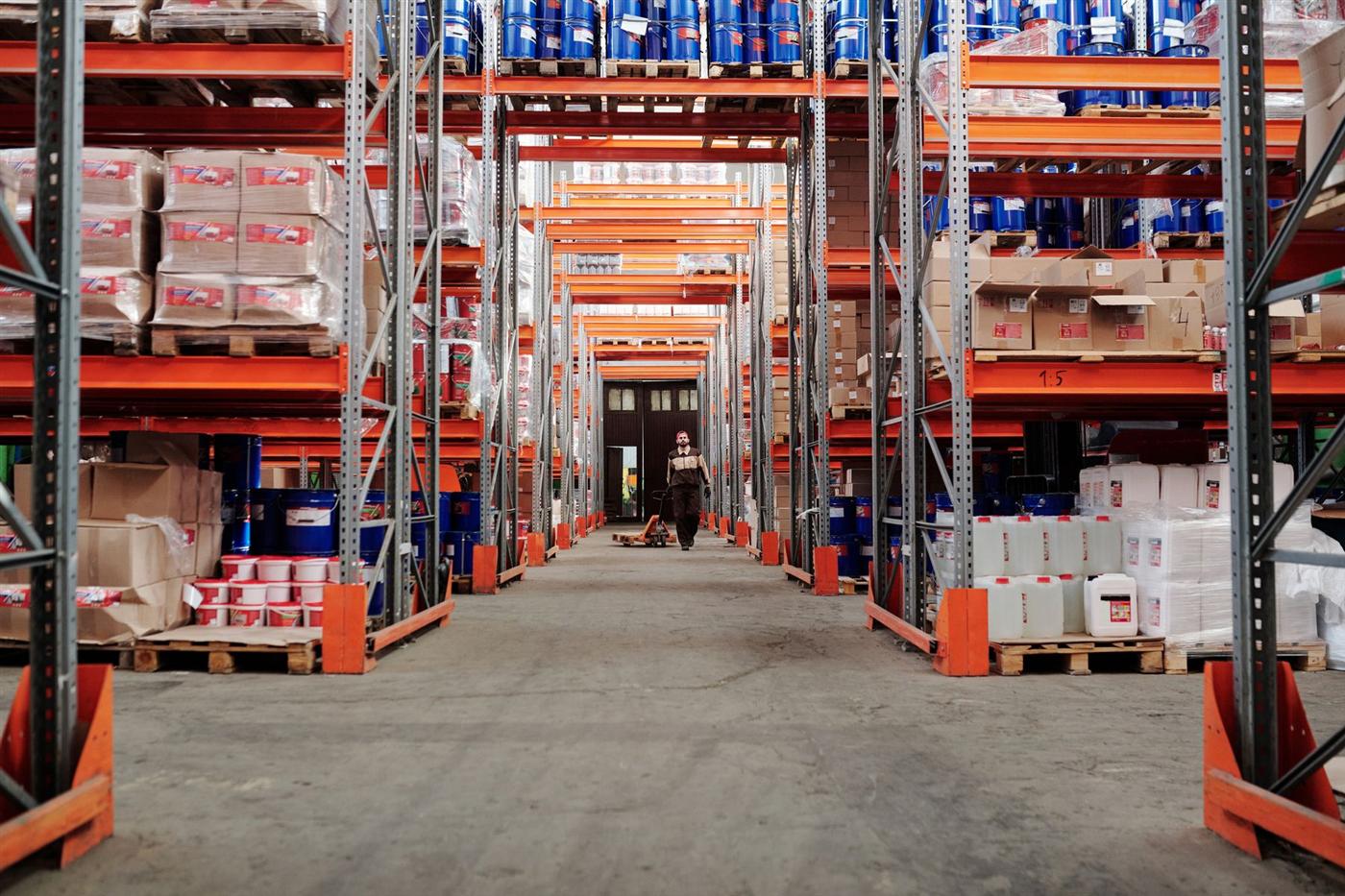
Distribution Centers
Fulfillment centers, logistics hubs and cold storage, delivered in compressed, repeatable programs across regions.
 3.07
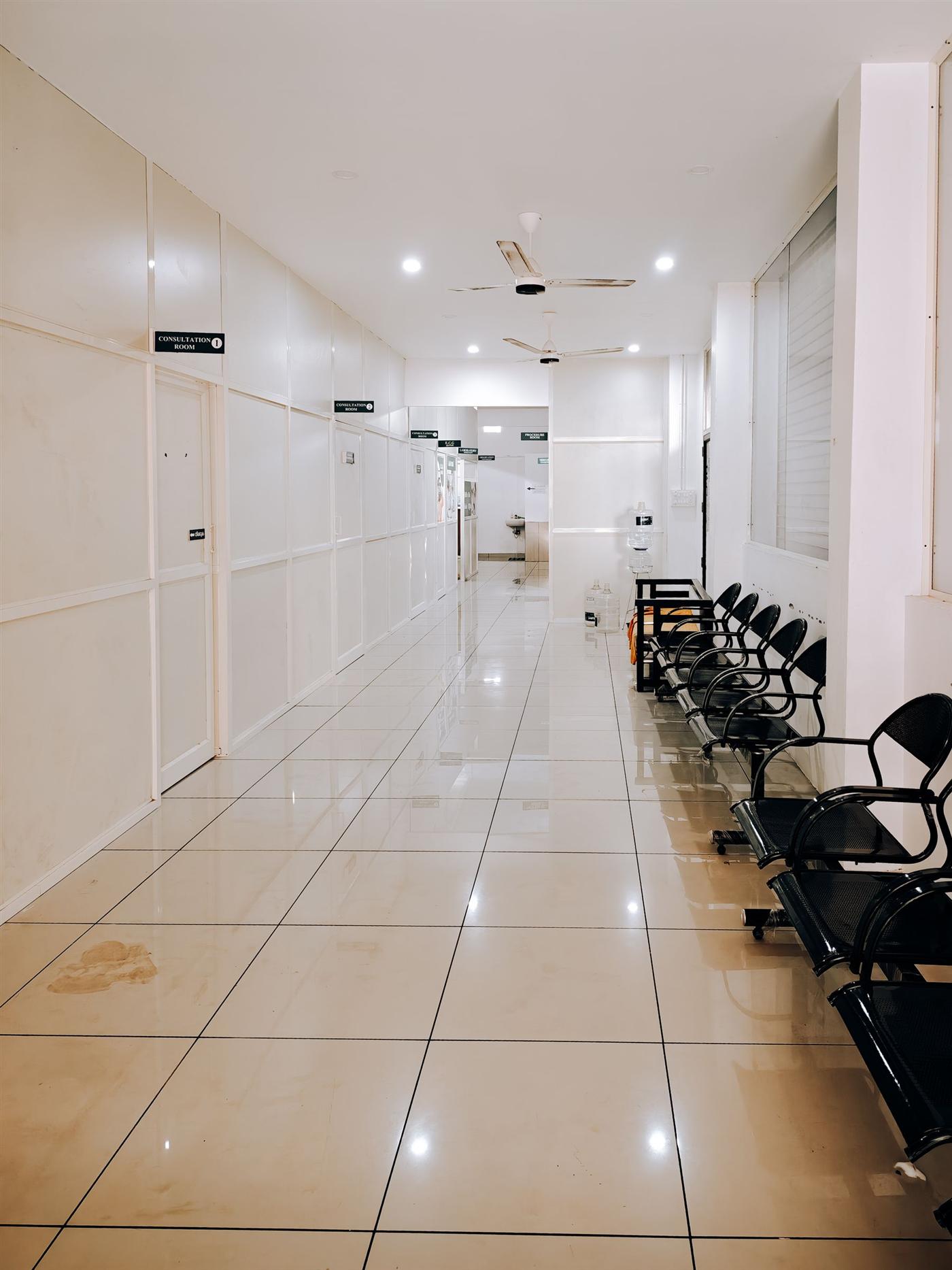
Healthcare
Hospitals, medical centers and research facilities, built and renovated around the care they deliver.
 3.08
Pharmaceutical
Life sciences manufacturing, laboratories and GMP facilities, where the schedule answers to regulators as well as owners.
 3.09
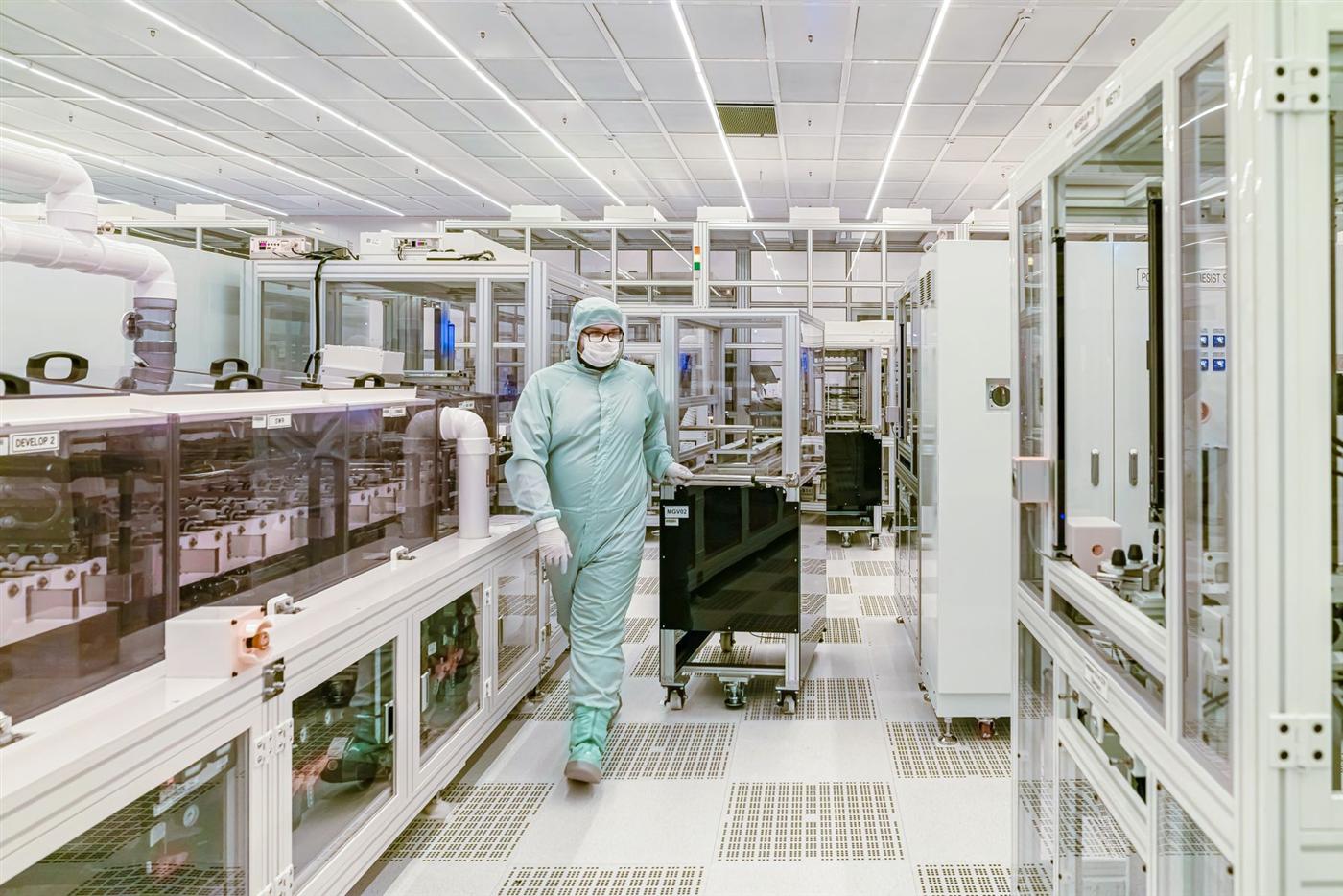
Semiconductor
Fabs, cleanrooms and advanced packaging facilities, among the most complex and capital-intensive buildings attempted anywhere.
 3.10
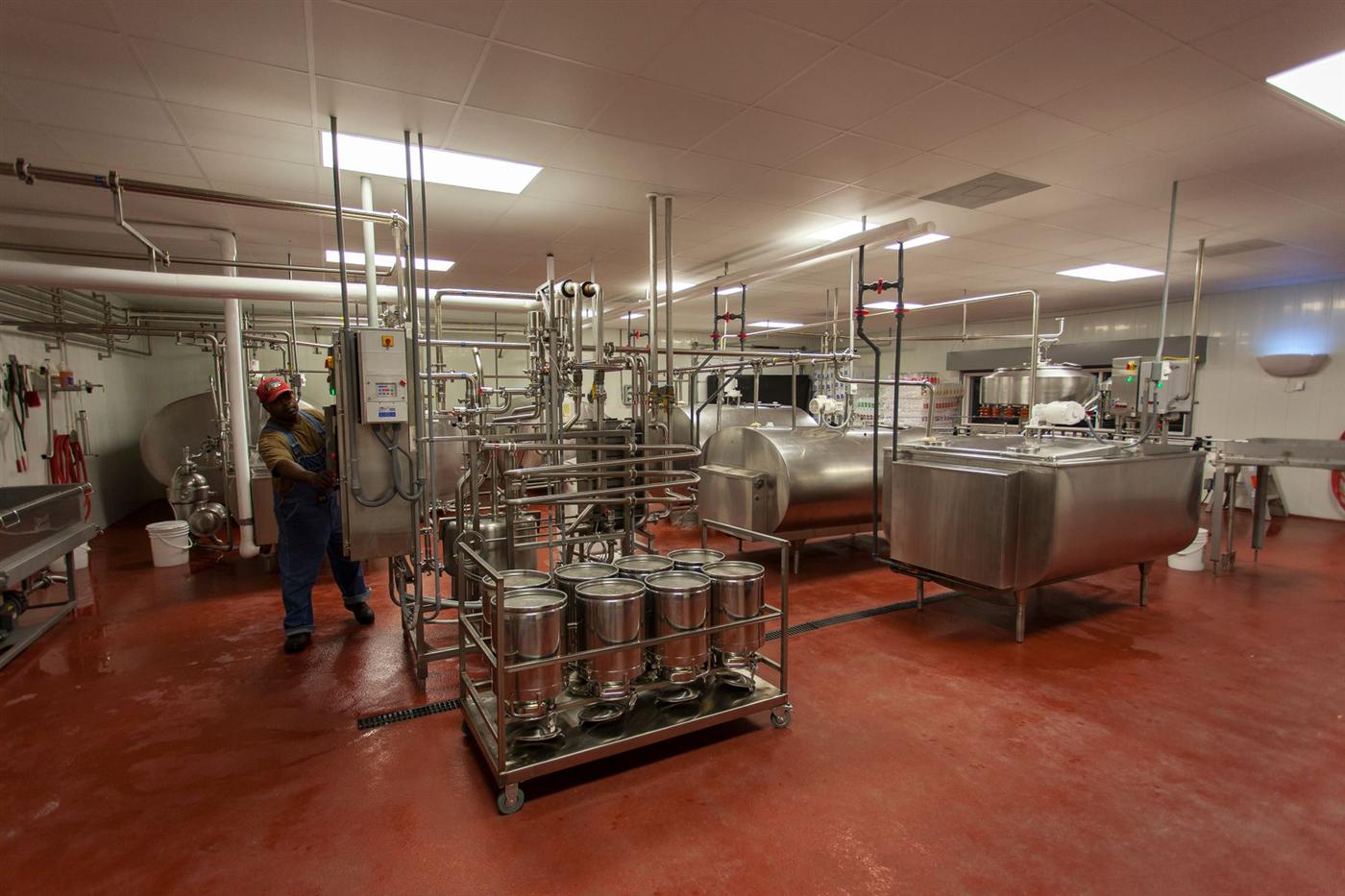
Food & Beverage
Processing plants, bottling, cold chain and line expansions for brands that cannot afford an empty shelf.
Command the date you announced.
Book a 45-minute program review with a senior principal. You will leave with an independent read of where your schedule and cost really stand, and the three moves that matter most.