


Commercial, where the date underwrites the deal.
Office towers, mixed-use, hospitality and retail, where an opening date sits inside leases, loan covenants and a sales launch.

In commercial development, the schedule is a financial instrument.
Lease commencements, rent-free periods, hotel pre-opening budgets and construction loan maturities are all written against dates set before the building existed. When the facade package slips or the elevators arrive late, the consequence lands on income, interest and reputation with tenants who chose you over the building across the street.
RichardBarkley protects those dates from the owner's side of the table and the builder's. We set baselines that can survive scrutiny, test every update for what has really moved, and quantify cost-to-complete alongside time, so developers and lenders see occupancy risk while it is still cheap to address.
What keeps commercial leaders awake
We know the specific risks of this market, because we have stood inside them.
Lease-linked completion
Tenant handover dates with penalties attached, where delay turns directly into lost rent and strained relationships.
Envelope and vertical transportation
Curtain wall, facade and elevator packages with long lead times and sequence dependencies that quietly govern completion.
Base-build and fit-out overlap
Shell and tenant improvement work running at once on separate contracts, competing for the same hoists and floors.
The services that matter most here
Owner-side clarity and builder-side discipline, focused on the handover dates your leasing and financing depend on.
Approved baselines that capture scope, sequence and risk with precision: the fixed reference against which every future decision, dollar and day is judged.
2.01.06Schedule UpdatesDisciplined periodic updates that capture verified progress, explain every movement and keep the schedule an instrument of command rather than a record of hope.
2.03.01Owner's RepresentativeSenior owner's representation that protects budget, schedule and quality from procurement through design, construction and occupancy.
2.02.04Cost ControlsBudget structure, commitment tracking and cost-to-complete forecasting that protect contingency and keep the final cost the one you approved.
2.02.08ForecastingRisk-informed schedule and cost forecasts, expressed as P50 and P80 ranges, that give executives an honest view of the finish date and final cost.
2.04.01Delay AnalysisCausation, extent and responsibility for delay, established with a method chosen for the facts, the records and the forum.
2.02.09Executive ReportingConcise, candid, decision-grade reporting for boards, executives, lenders and public stakeholders.
An opening date is written into a lease, a loan and a press release. It deserves a schedule that can carry that weight.Our conviction in Commercial
What leaders ask us first.
Straight answers. If yours isn't logged here, raise it with us directly. A principal will respond.
Do you work for developers or contractors?
Both, but never on opposite sides of the same project. We oversee delivery for developers and help contractors build and defend schedules on others.
Can you control a multi-tenant fit-out program?
Yes. We plan fit-out across floors and tenants as one program, logic-tied to base-building completion so turnover dates are realistic before they are communicated.
Other markets
 3.04
Industrial
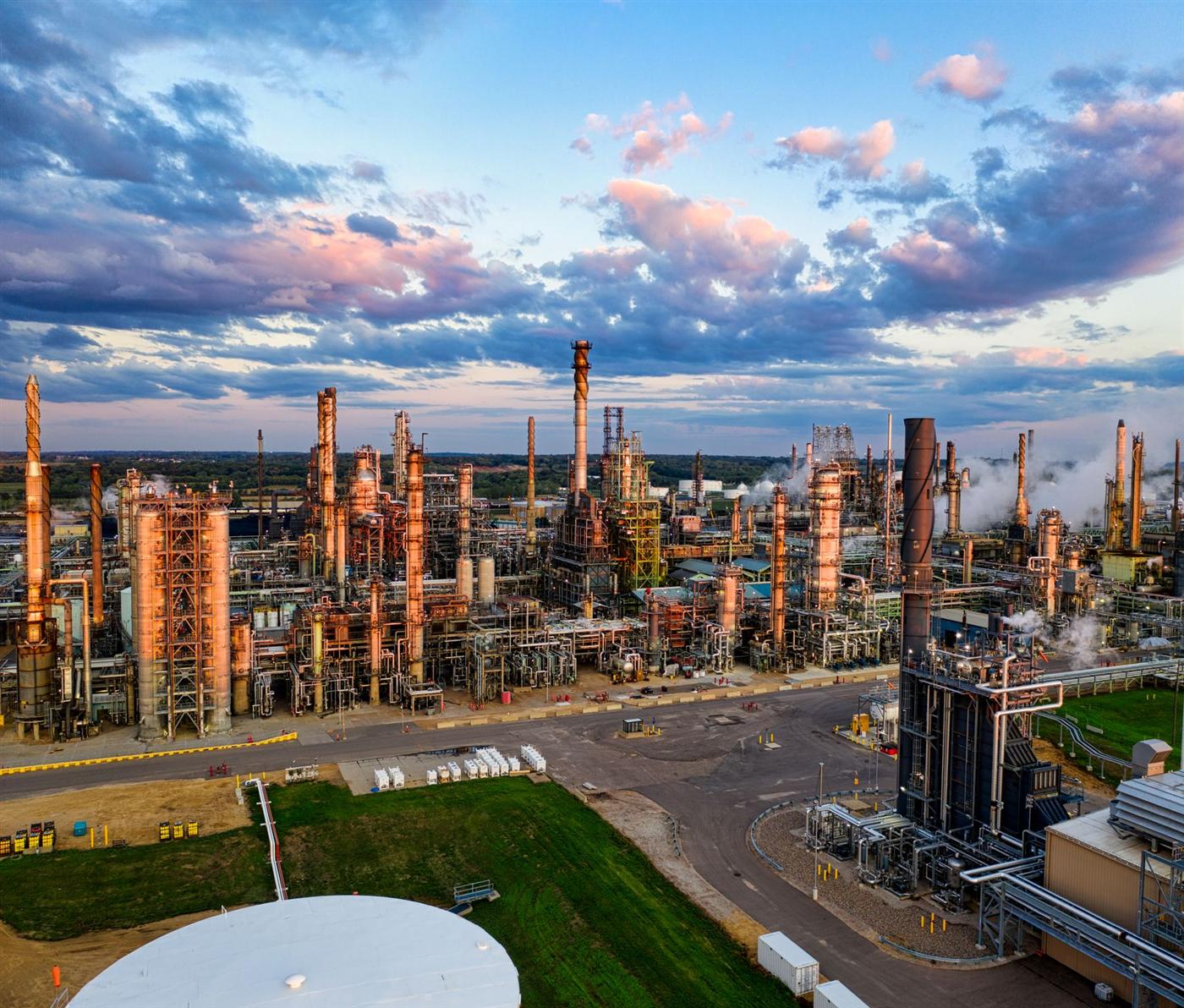
Process plants, heavy industry and infrastructure-scale facilities, where engineering, procurement and construction overlap by design.
 3.05
Manufacturing
Advanced manufacturing, automotive, battery and gigafactory programs, where the business case depends on the start of production.
 3.06
Distribution Centers
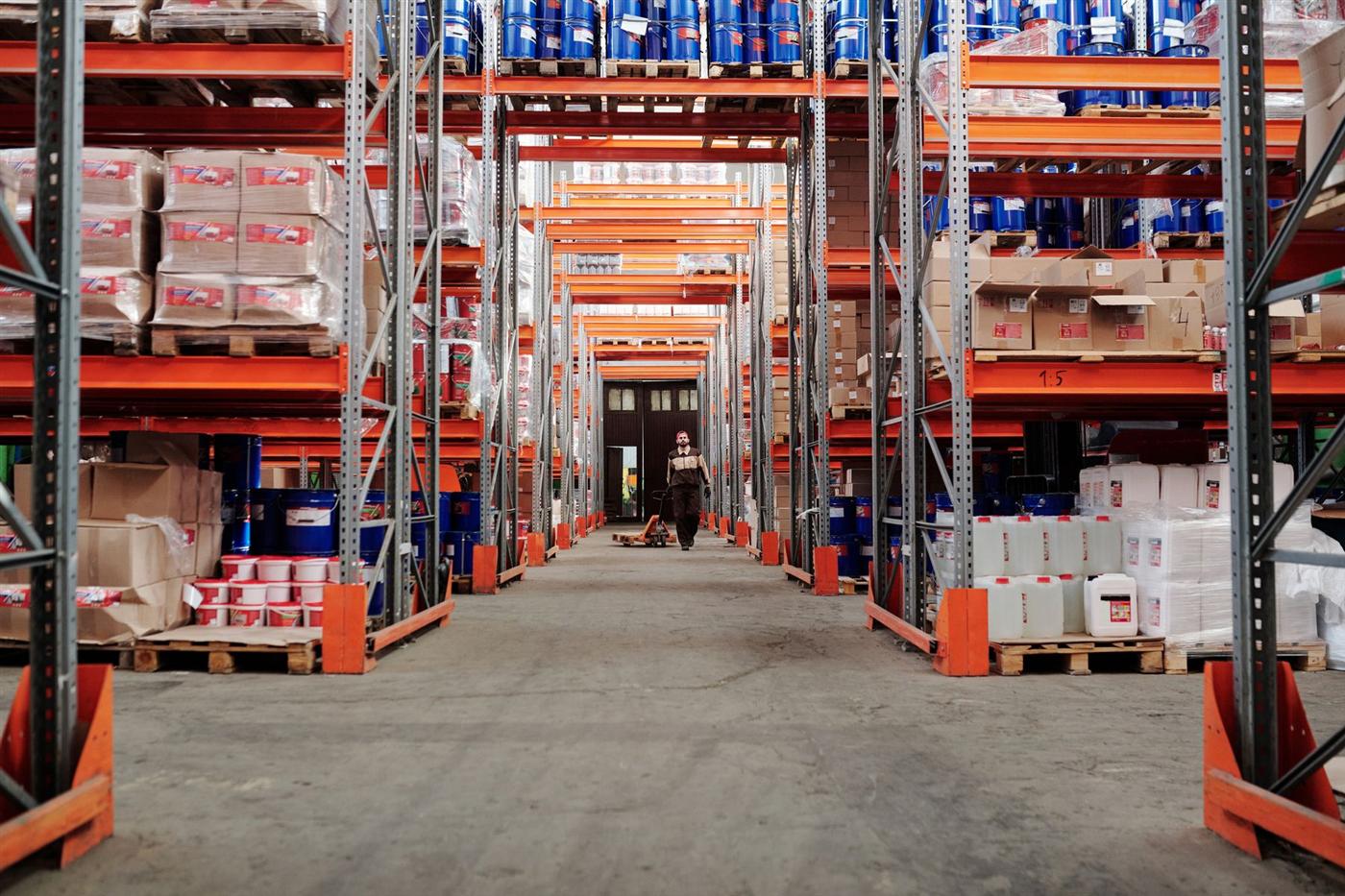
Fulfillment centers, logistics hubs and cold storage, delivered in compressed, repeatable programs across regions.
 3.07
Healthcare
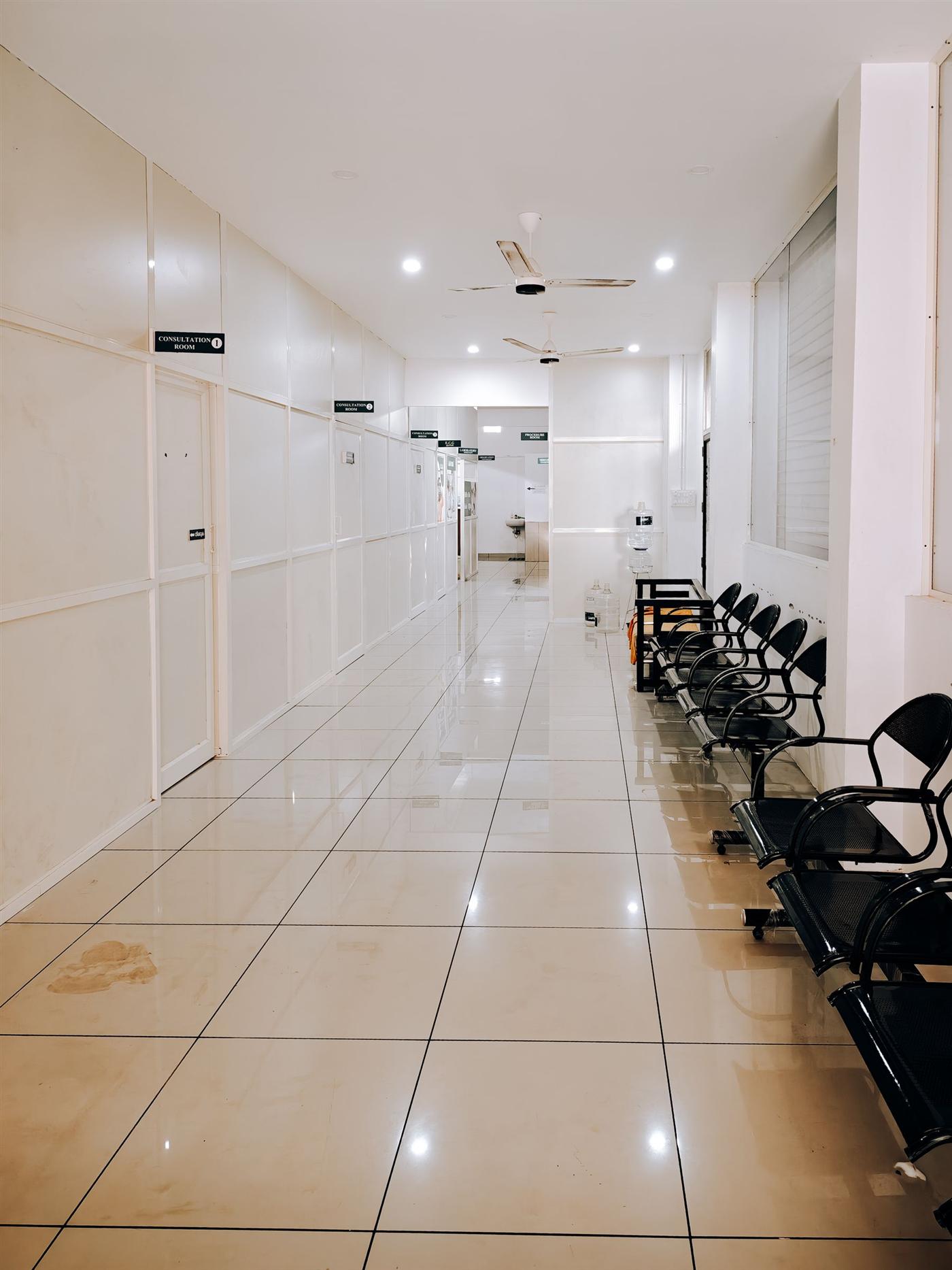
Hospitals, medical centers and research facilities, built and renovated around the care they deliver.
 3.08
Pharmaceutical
Life sciences manufacturing, laboratories and GMP facilities, where the schedule answers to regulators as well as owners.
 3.09
Semiconductor
Fabs, cleanrooms and advanced packaging facilities, among the most complex and capital-intensive buildings attempted anywhere.
 3.10
Food & Beverage
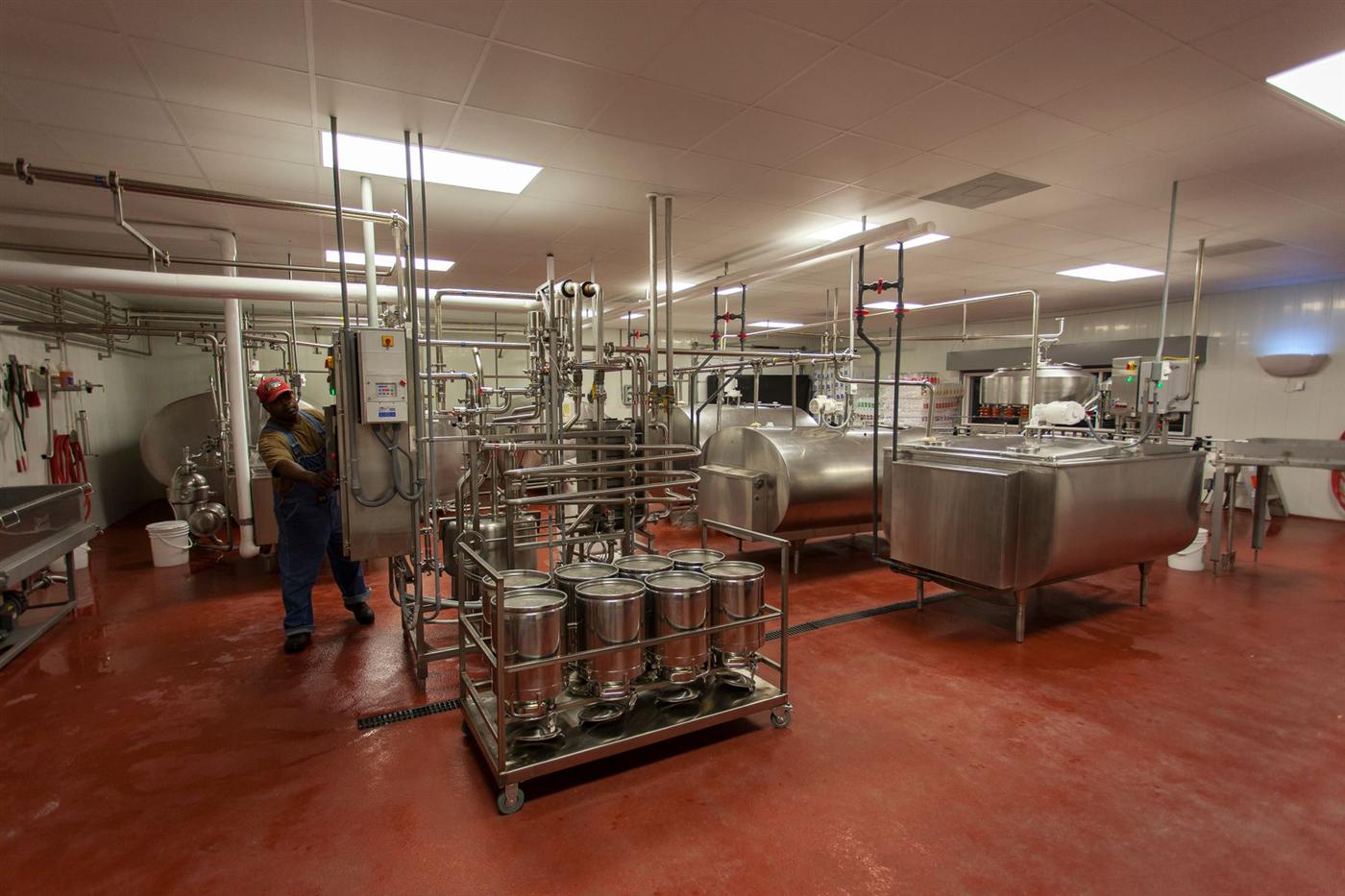
Processing plants, bottling, cold chain and line expansions for brands that cannot afford an empty shelf.
 3.11
Transportation
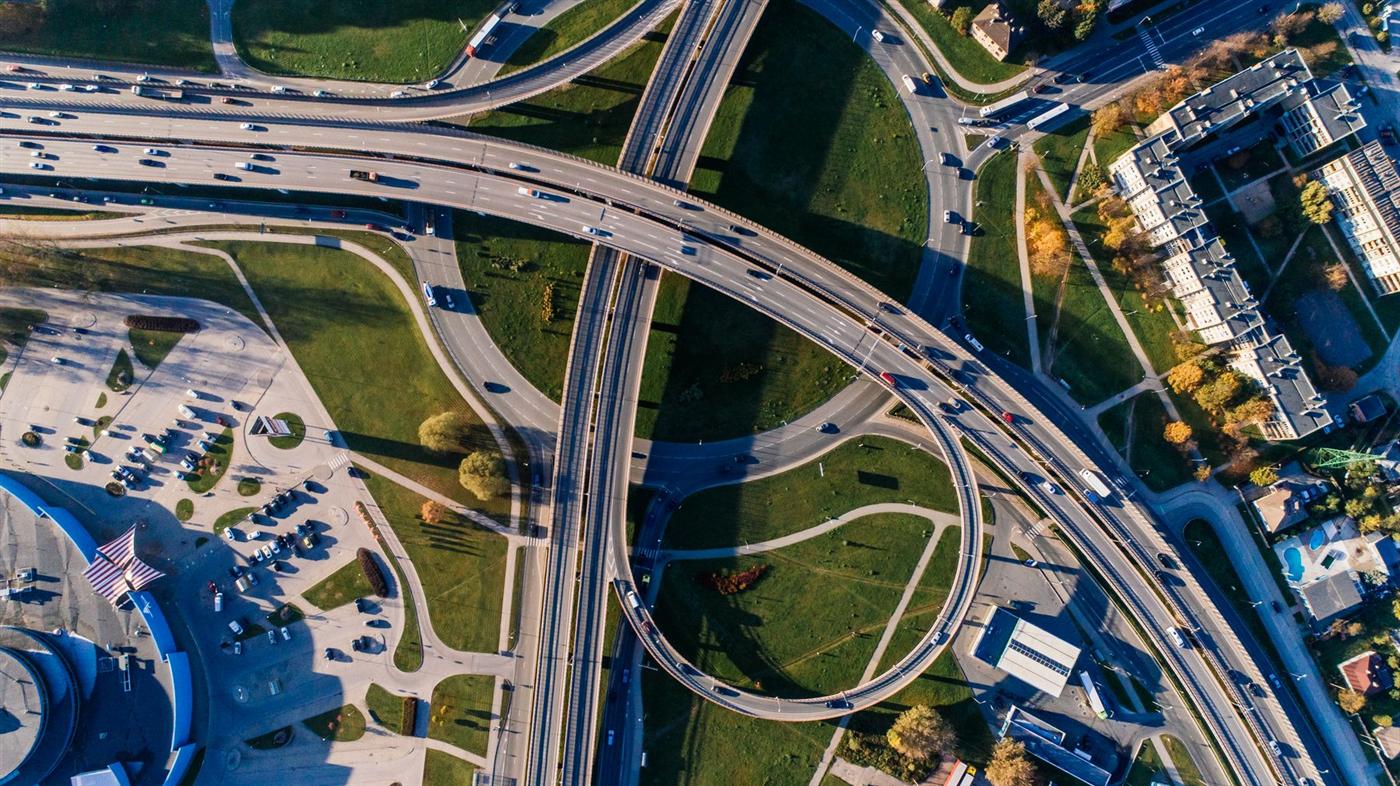
Highways, bridges, transit and rail programs funded by the public and watched by it.
 3.12
Aviation
Terminals, airside works, hangars and modernization programs delivered without grounding operations.
 3.13
Water & Wastewater
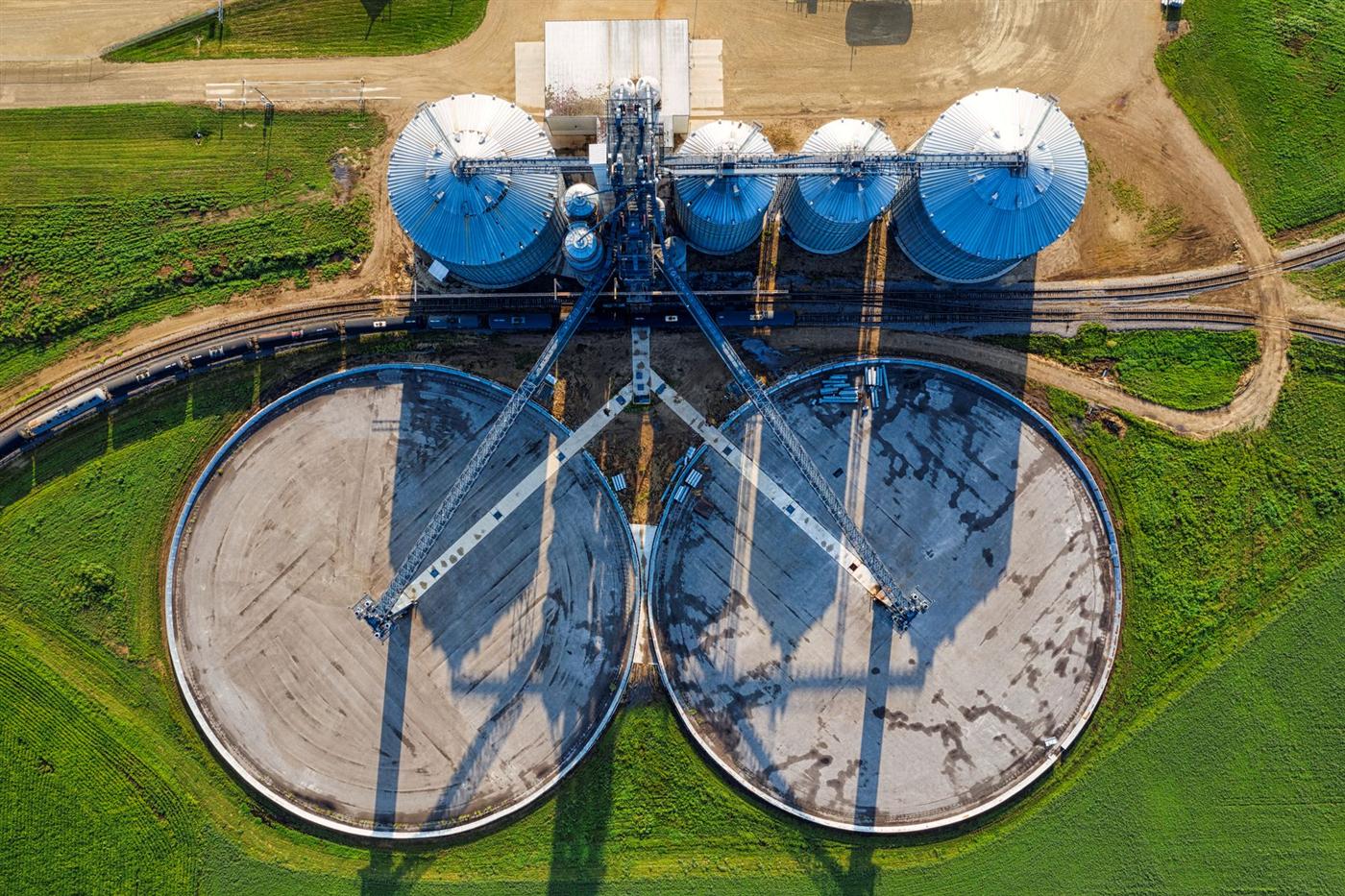
Treatment plants, conveyance and resilience programs that protect public health and answer to regulators and funders.
 3.14
Power
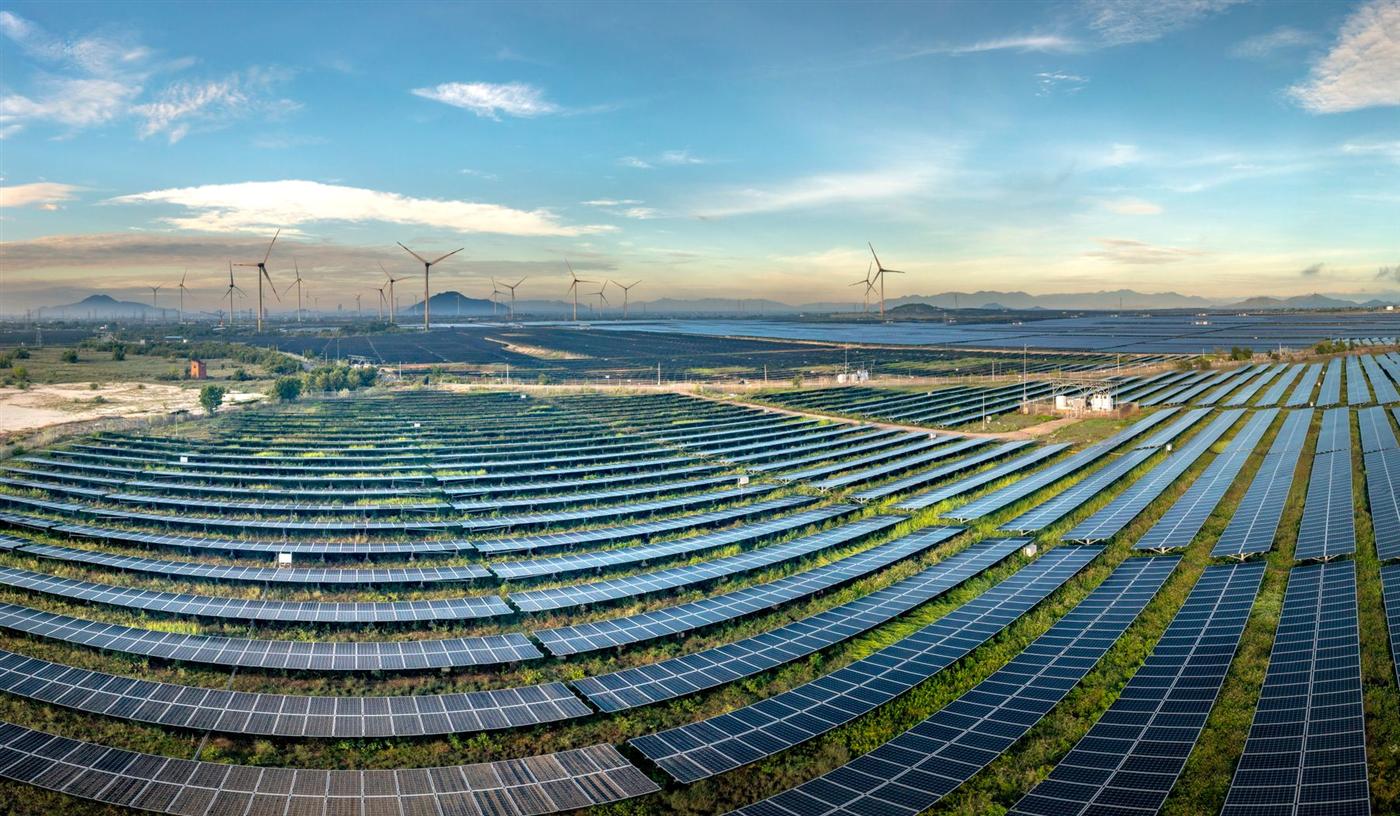
Generation, transmission, renewables and storage, where commercial operation dates are written into offtake and financing.
 3.15
Oil & Gas
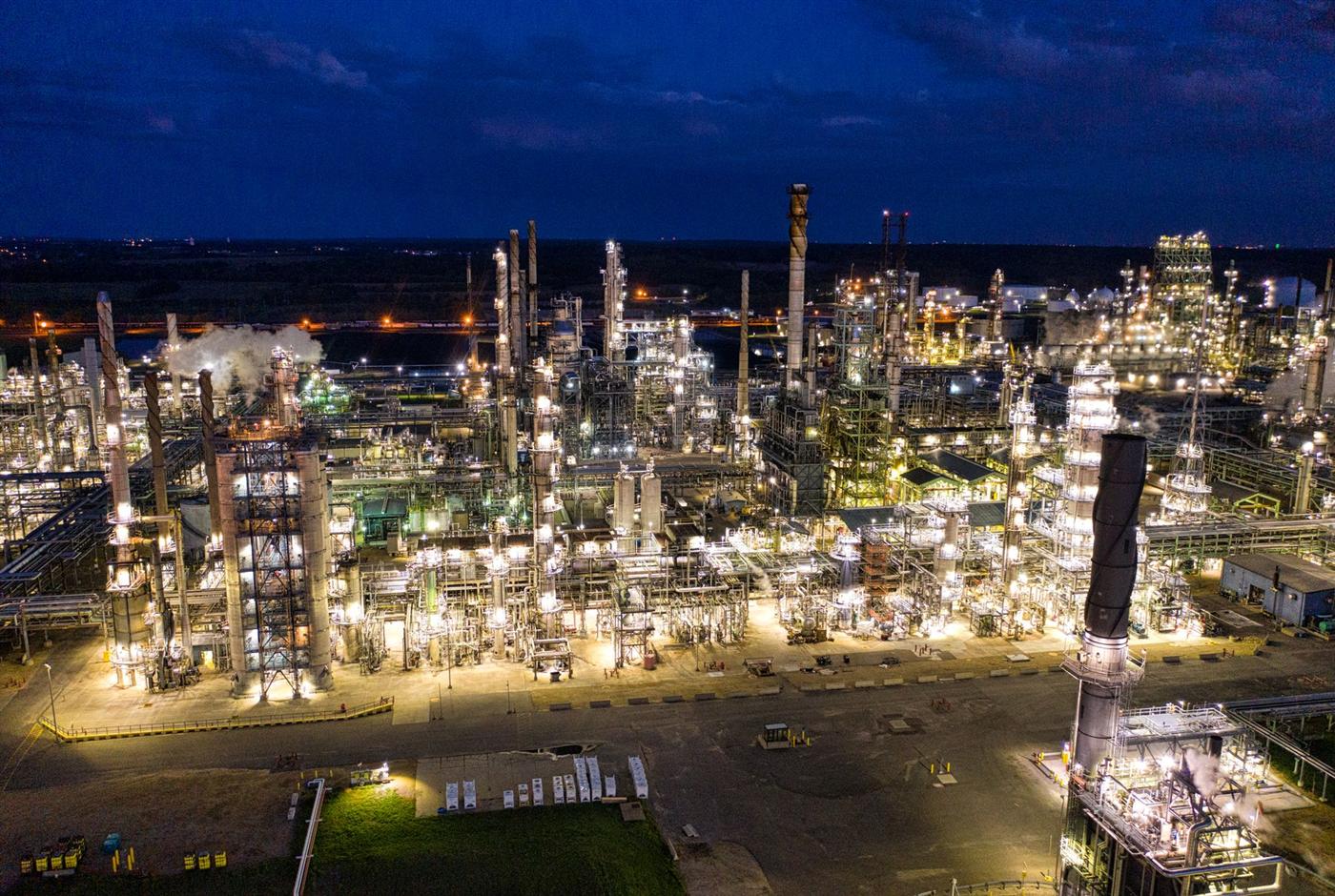
Upstream, midstream and downstream projects, turnarounds and brownfield work in demanding environments.
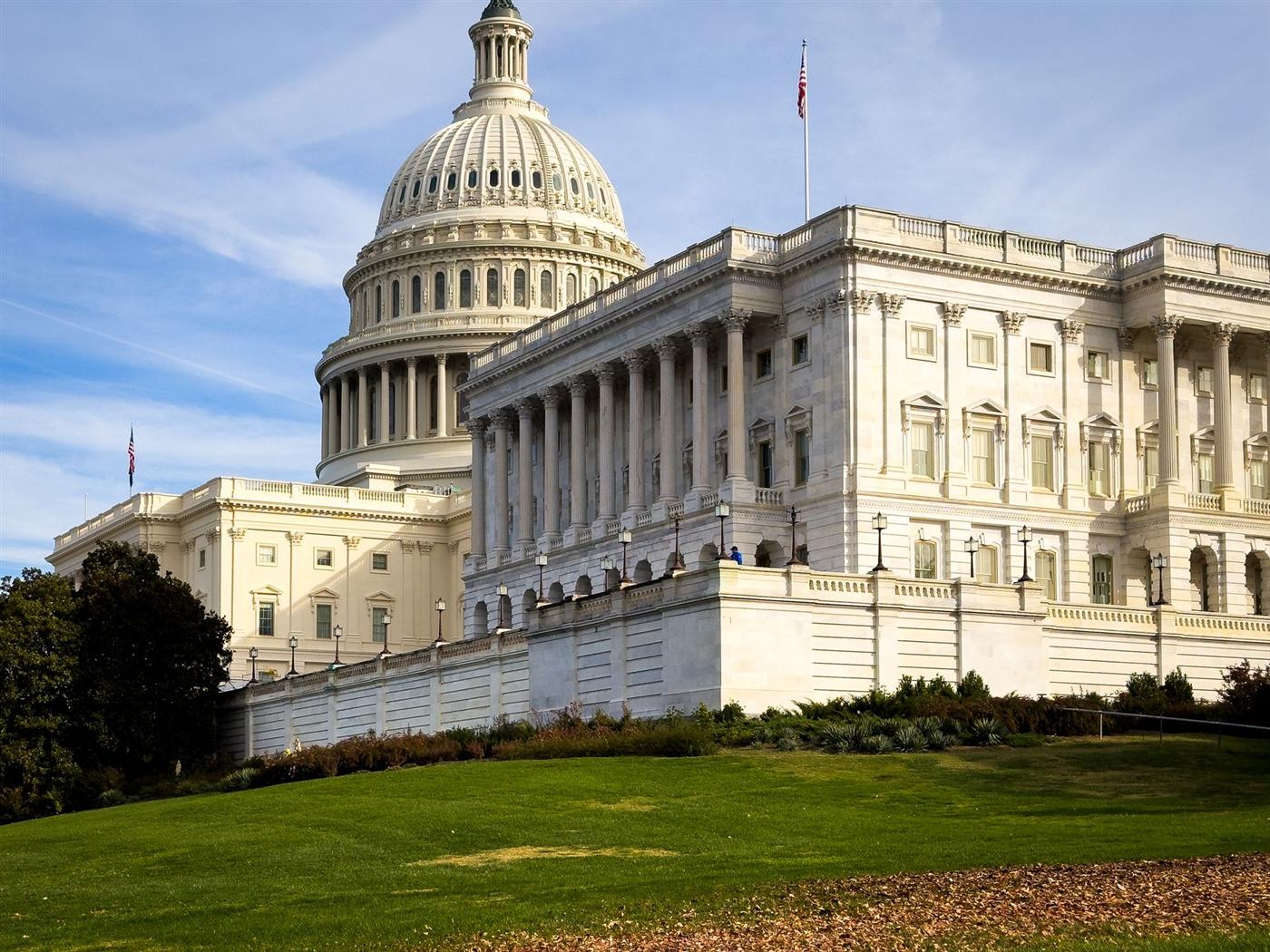 3.16
Government
Federal, state and municipal programs that demand transparency, compliance and accountability for every dollar.
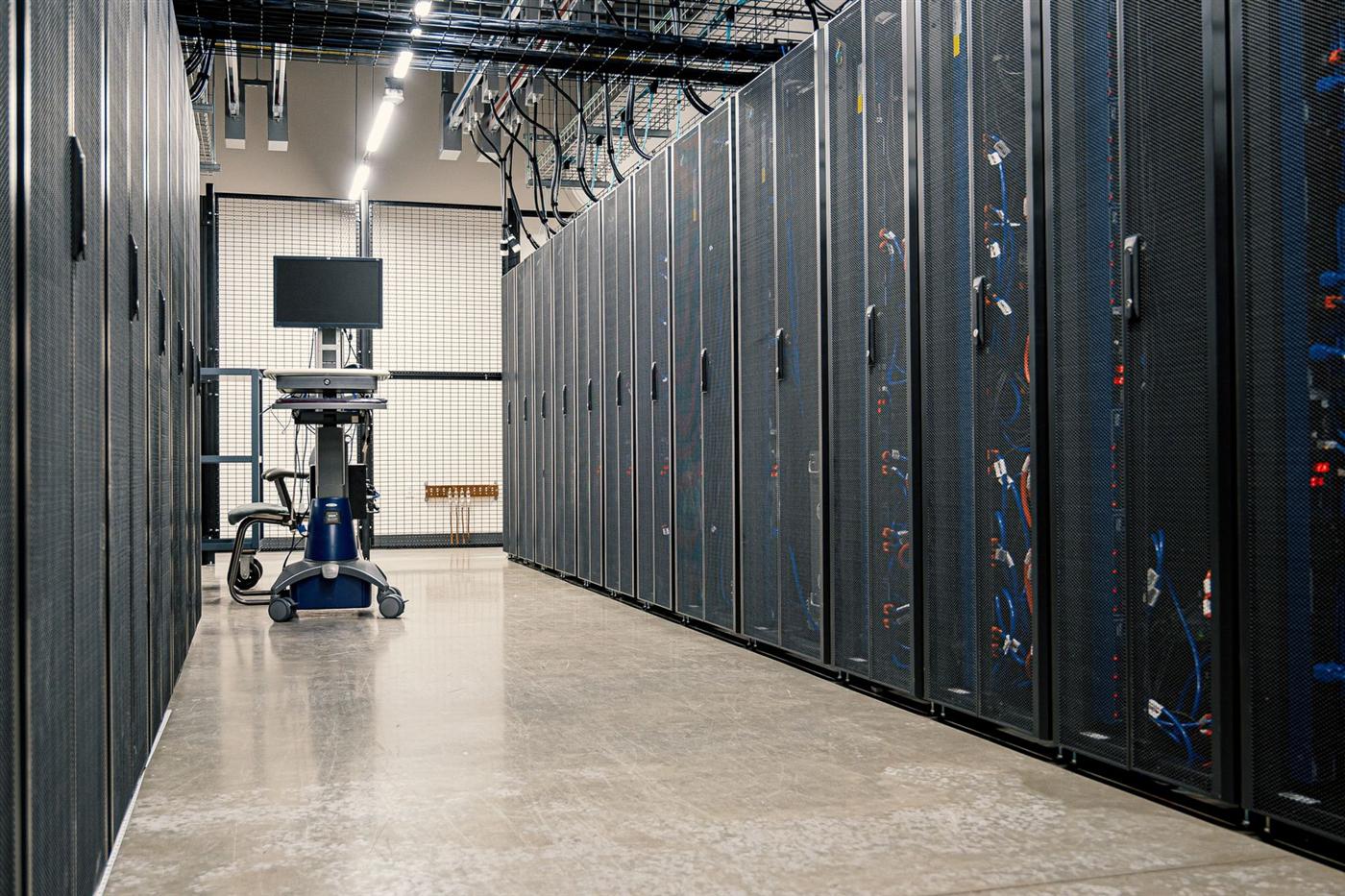 3.01
Data Centers
Hyperscale, colocation and AI campuses, where a slipped energization date is capacity a customer has already contracted for.
 3.02
Mission Critical
Network hubs, operations centers, emergency services and secure facilities that must stay live while they are built, upgraded or replaced.
Command the date you announced.
Book a 45-minute program review with a senior principal. You will leave with an independent read of where your schedule and cost really stand, and the three moves that matter most.