


Data Centers, where every week is megawatts.
Hyperscale, colocation and AI campuses, where a slipped energization date is capacity a customer has already contracted for.
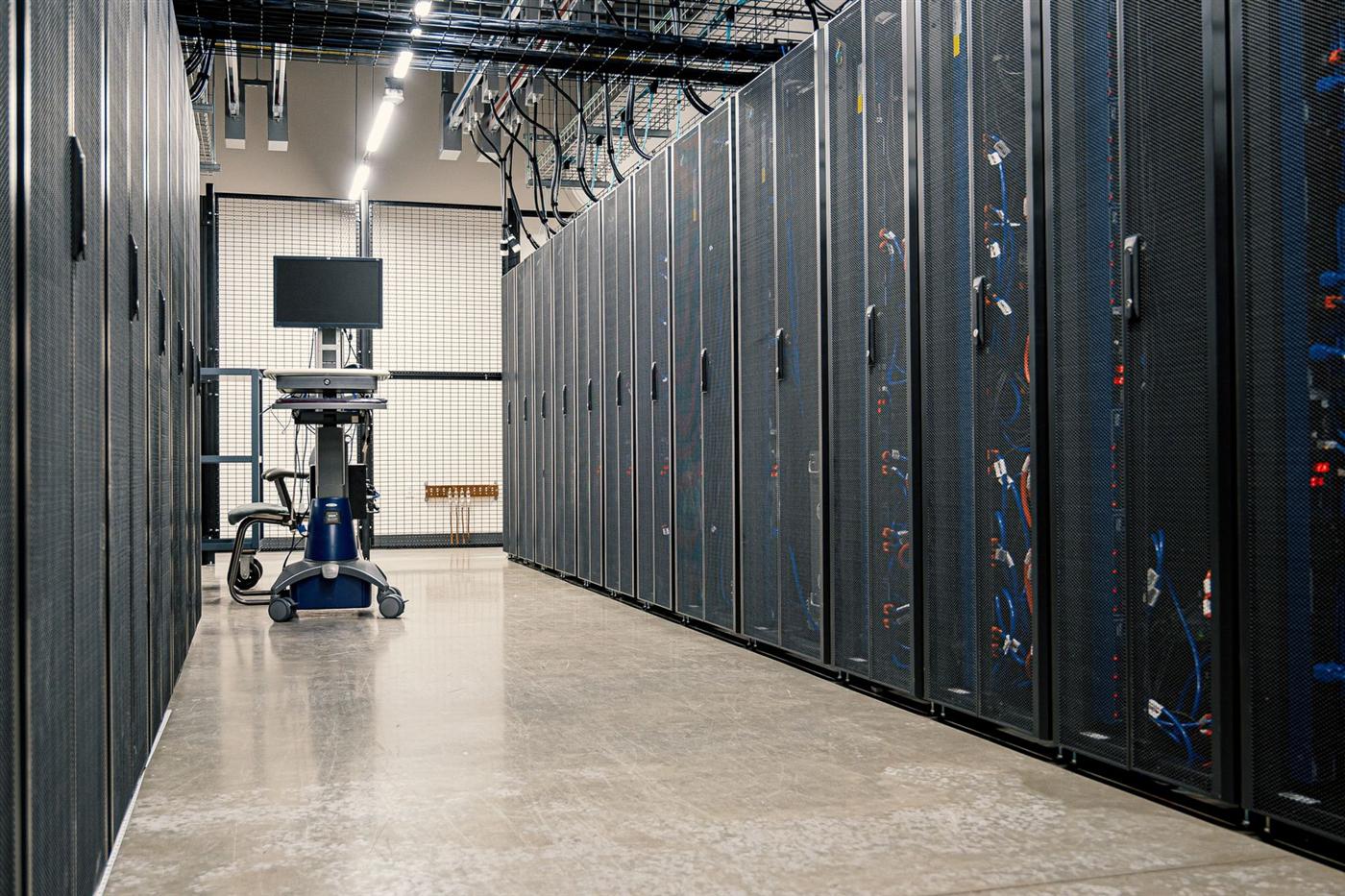
In this market, the critical path runs through the substation.
Data center capital moves faster than almost any other asset class, and it is less forgiving. Utility interconnection, transformer and switchgear slots, generator deliveries and Level 1 to Level 5 commissioning all converge on a single date: the day the white space carries load. Miss it and the cost is measured in stranded megawatts, penalty clauses and a customer who builds the next phase elsewhere.
RichardBarkley gives owners and builders command of that path. We build campus-level integrated schedules that trace power from interconnect to rack, load long-lead equipment milestones into the logic so factory risk is visible quarters ahead, and treat integrated systems testing as the critical-path work it is. Every period, at the data date, leadership sees where capacity will actually land and what it takes to protect it.
What keeps data centers leaders awake
We know the specific risks of this market, because we have stood inside them.
Long-lead electrical gear
Transformers, switchgear, UPS and generators with lead times measured in quarters, often driving the true critical path before a shovel is in the ground.
Commissioning compression
Integrated systems testing that absorbs the float everyone assumed was there, in the final months when recovery is most expensive.
Phase-on-phase velocity
Multi-building campuses that must get faster with each hall, which only happens when lessons are captured in the logic, not in memory.
The services that matter most here
Campus-level command from utility interconnect to the last integrated systems test, with long-lead risk visible quarters ahead.
Integrated Master Schedules that bind design, procurement, construction and commissioning into one traceable program view, from board summary to field activity.
2.01.15Commissioning & Startup SchedulingSystem-based commissioning and startup schedules that carry facilities from mechanical completion to reliable operation without the familiar last-mile slip.
2.02.02Program ControlsProgram-level controls that bind multiple projects, contractors and funding sources into a single picture sponsors can steer by.
2.01.07Critical Path AnalysisRigorous analysis of critical and near-critical paths that shows leadership exactly where attention and money will move the date, and where they will not.
2.01.05Recovery SchedulingRecovery plans that restore control of late programs: diagnosed quickly, built on what is physically achievable and agreed by every party who must fund or deliver them.
2.02.08ForecastingRisk-informed schedule and cost forecasts, expressed as P50 and P80 ranges, that give executives an honest view of the finish date and final cost.
2.05.03Predictive AnalyticsStatistical forecasting of schedule, cost and risk outcomes, grounded in your program history and presented as honest ranges.
In a data center, the date is the product. Capacity that arrives late has already been sold to someone else.Our conviction in Data Centers
What leaders ask us first.
Straight answers. If yours isn't logged here, raise it with us directly. A principal will respond.
Can you control a multi-building campus program?
Yes. We structure one integrated master schedule across utility, site, shell, fit-out and commissioning, with standard phase templates that let each new building start from a proven baseline.
How do you handle long-lead equipment risk?
Factory slots, factory acceptance tests, shipping and delivery are logic-tied into the critical path, so a slipped transformer shows up as a forecast energization date, not a footnote in a procurement log.
Other markets
 3.02
Mission Critical
Network hubs, operations centers, emergency services and secure facilities that must stay live while they are built, upgraded or replaced.
 3.03
Commercial
Office towers, mixed-use, hospitality and retail, where an opening date sits inside leases, loan covenants and a sales launch.
 3.04
Industrial
Process plants, heavy industry and infrastructure-scale facilities, where engineering, procurement and construction overlap by design.
 3.05
Manufacturing
Advanced manufacturing, automotive, battery and gigafactory programs, where the business case depends on the start of production.
 3.06
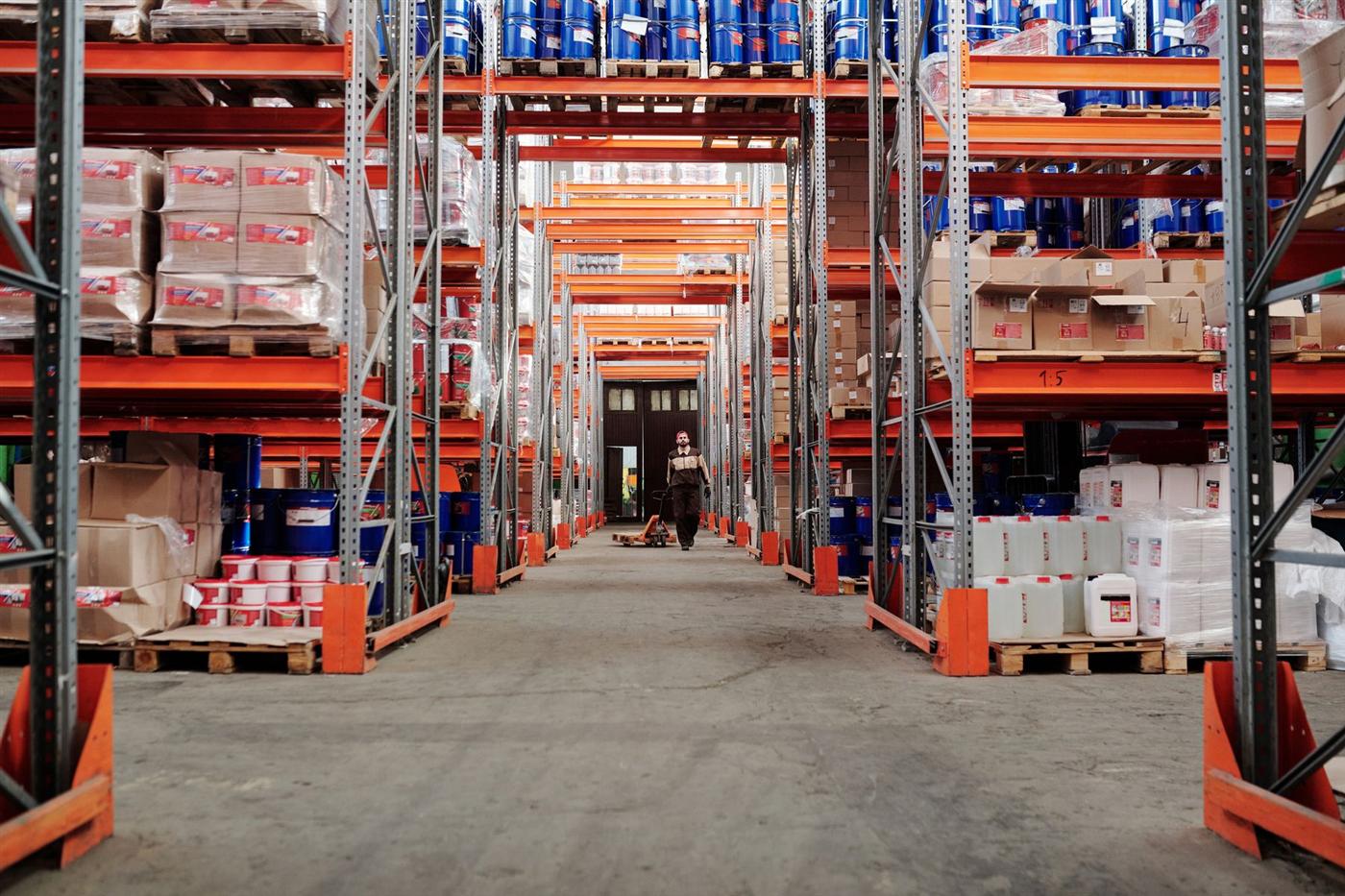
Distribution Centers
Fulfillment centers, logistics hubs and cold storage, delivered in compressed, repeatable programs across regions.
 3.07
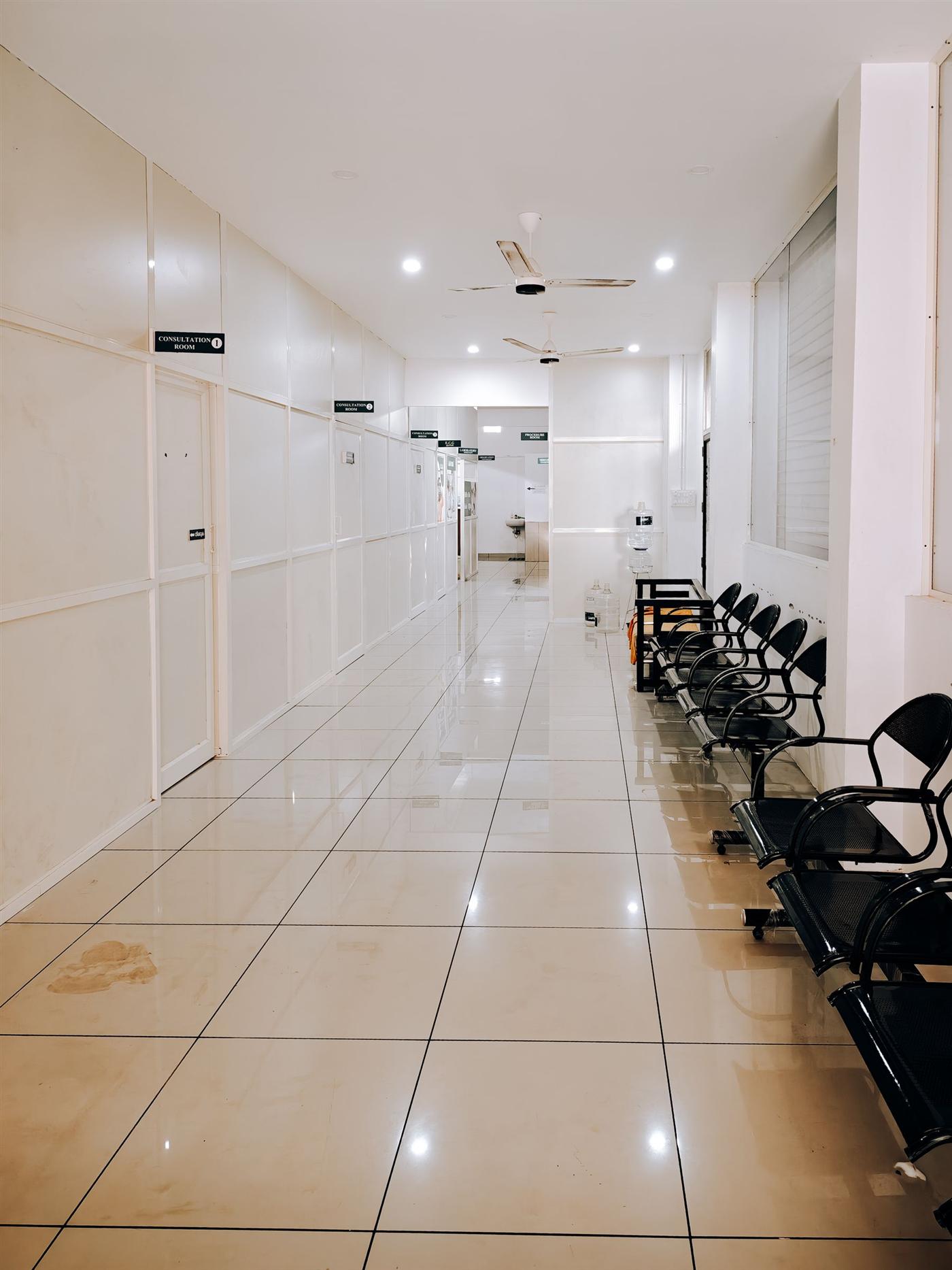
Healthcare
Hospitals, medical centers and research facilities, built and renovated around the care they deliver.
 3.08
Pharmaceutical
Life sciences manufacturing, laboratories and GMP facilities, where the schedule answers to regulators as well as owners.
 3.09
Semiconductor
Fabs, cleanrooms and advanced packaging facilities, among the most complex and capital-intensive buildings attempted anywhere.
 3.10
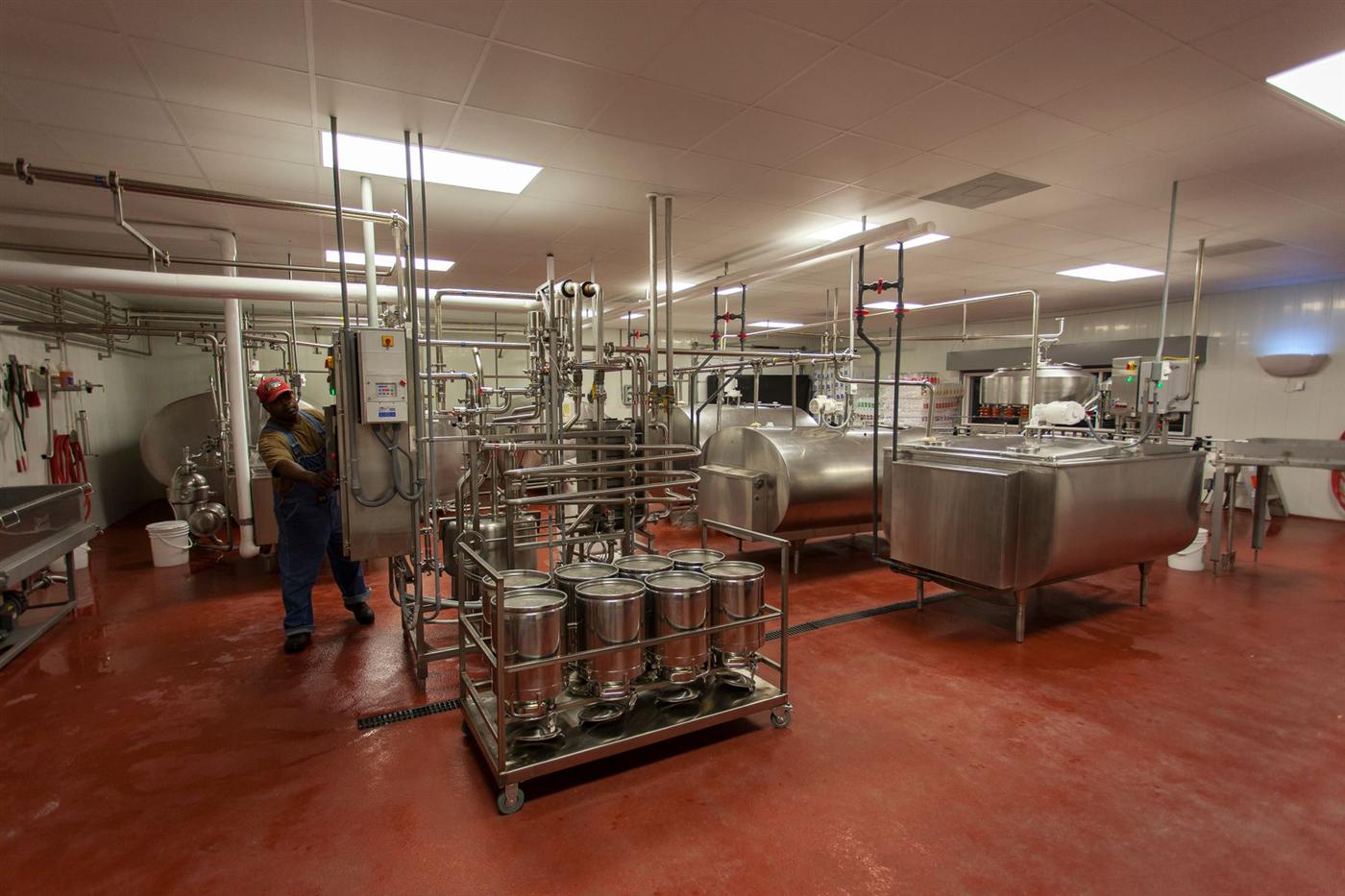
Food & Beverage
Processing plants, bottling, cold chain and line expansions for brands that cannot afford an empty shelf.
 3.11
Transportation
Highways, bridges, transit and rail programs funded by the public and watched by it.
 3.12
Aviation
Terminals, airside works, hangars and modernization programs delivered without grounding operations.
 3.13
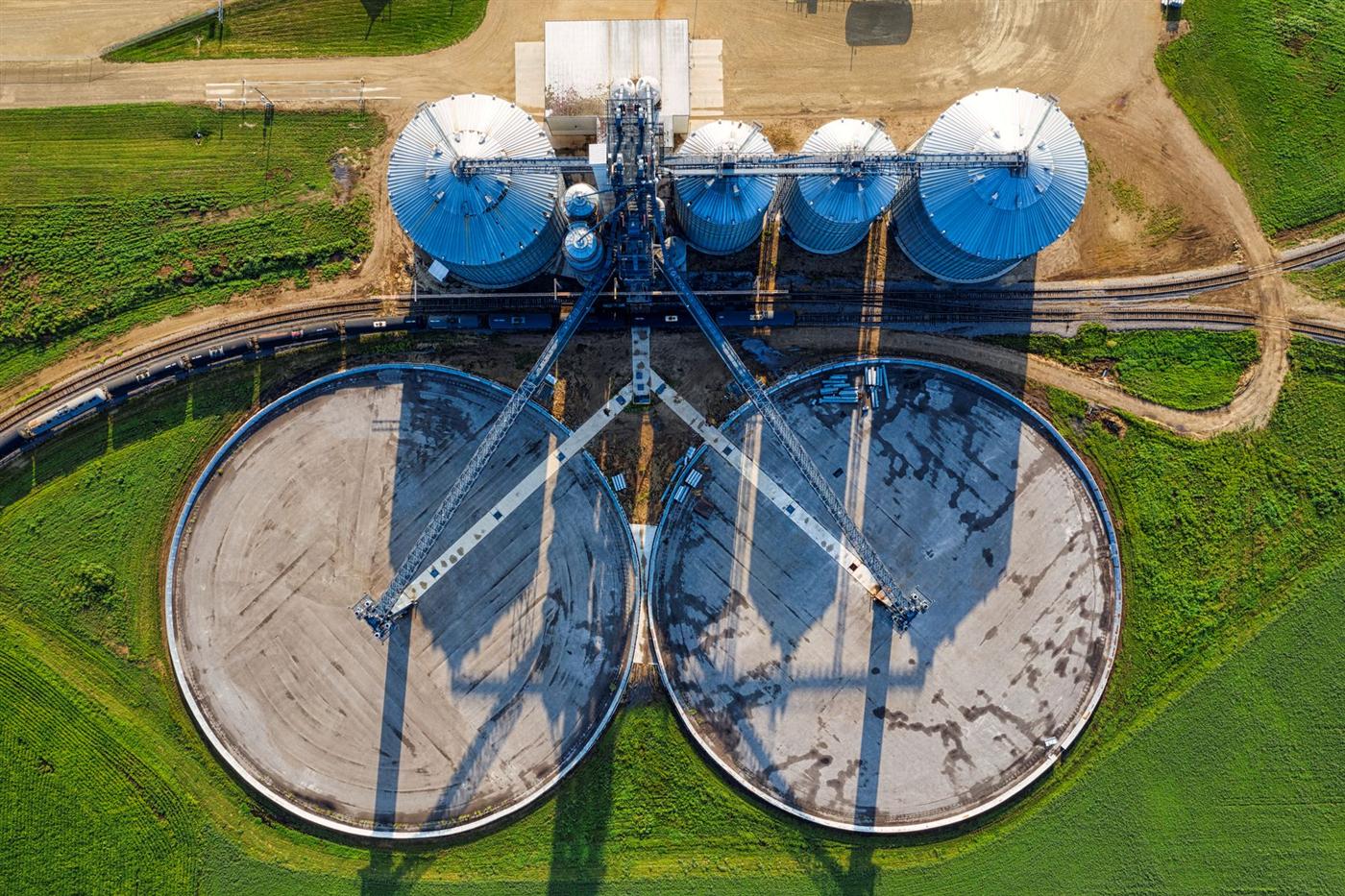
Water & Wastewater
Treatment plants, conveyance and resilience programs that protect public health and answer to regulators and funders.
 3.14
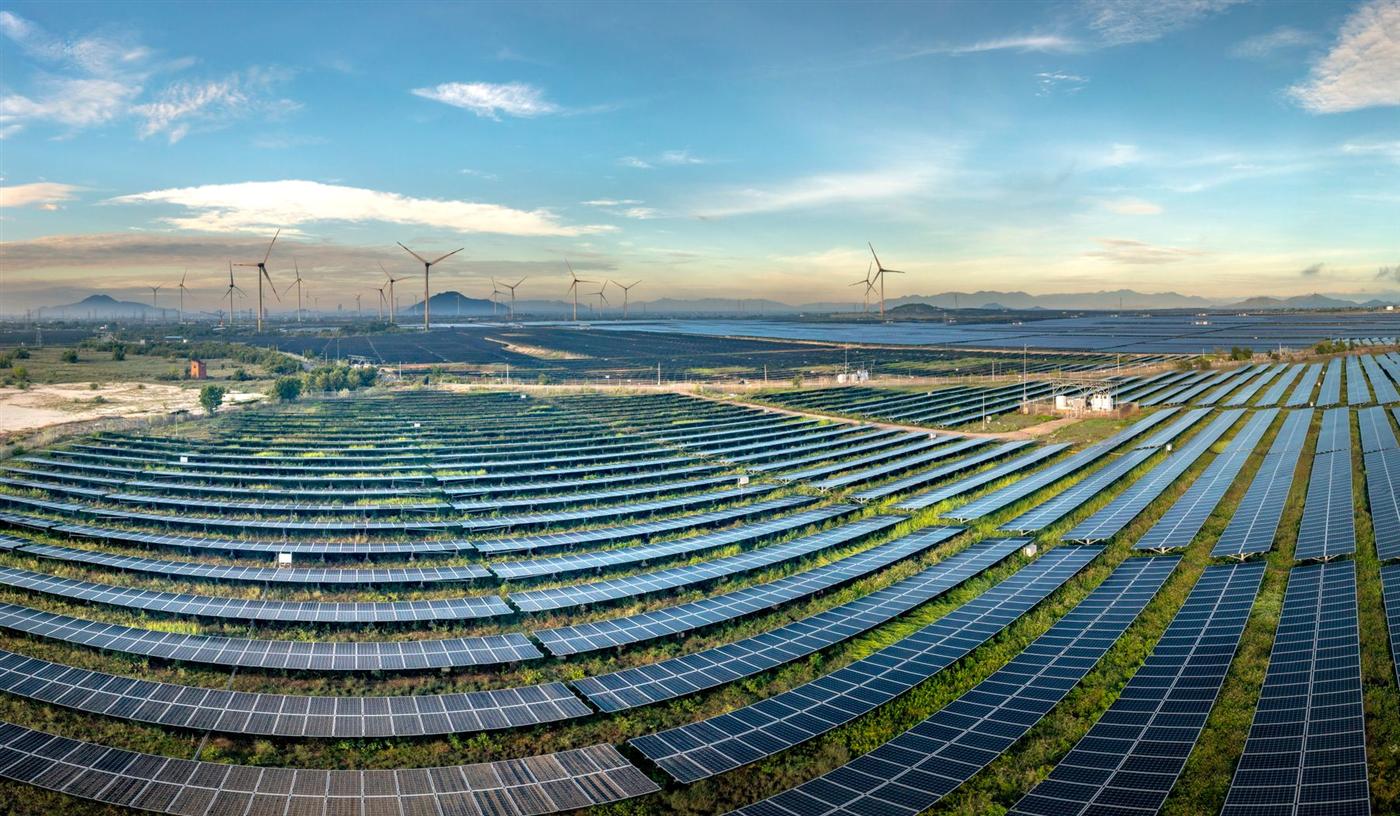
Power
Generation, transmission, renewables and storage, where commercial operation dates are written into offtake and financing.
 3.15
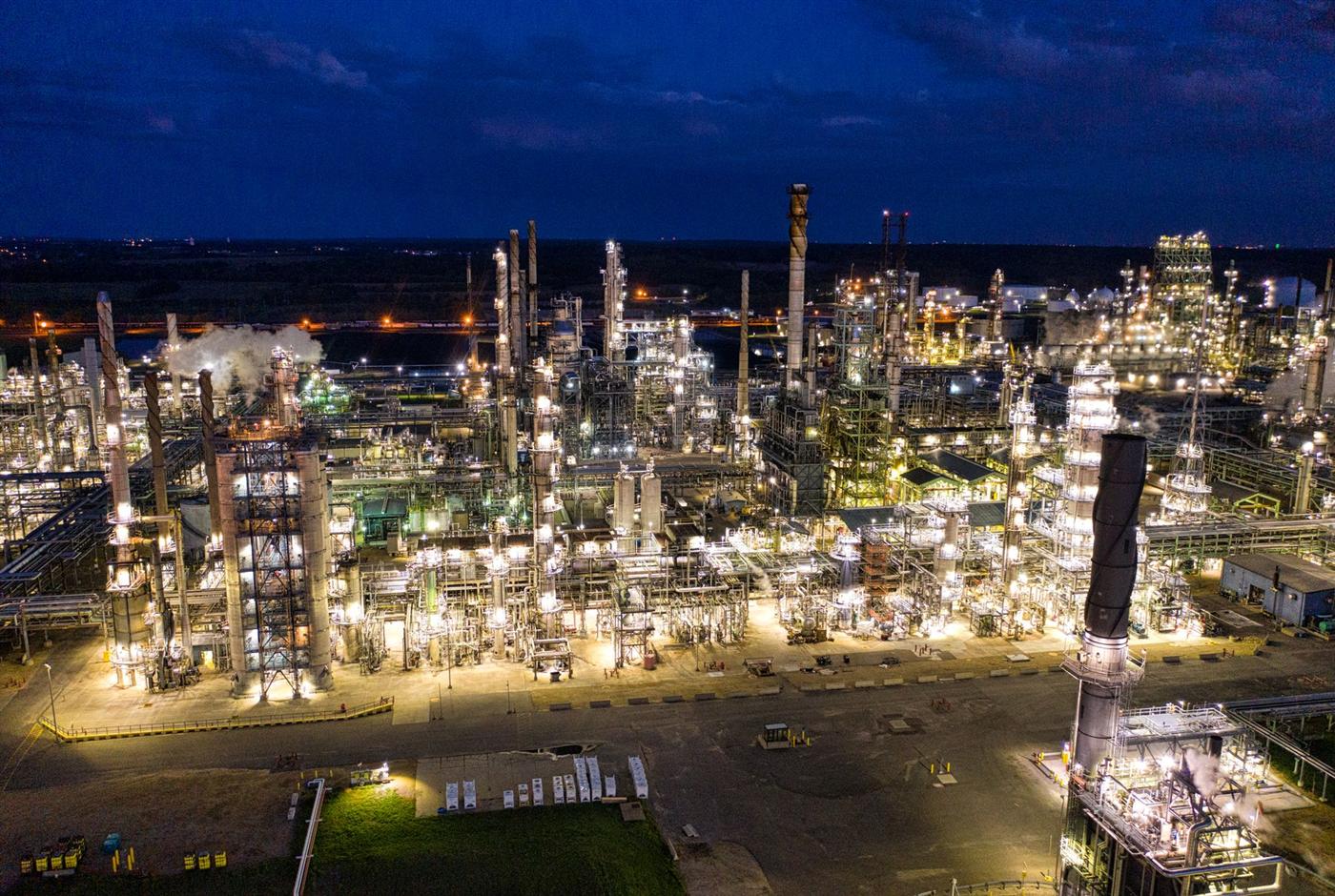
Oil & Gas
Upstream, midstream and downstream projects, turnarounds and brownfield work in demanding environments.
 3.16
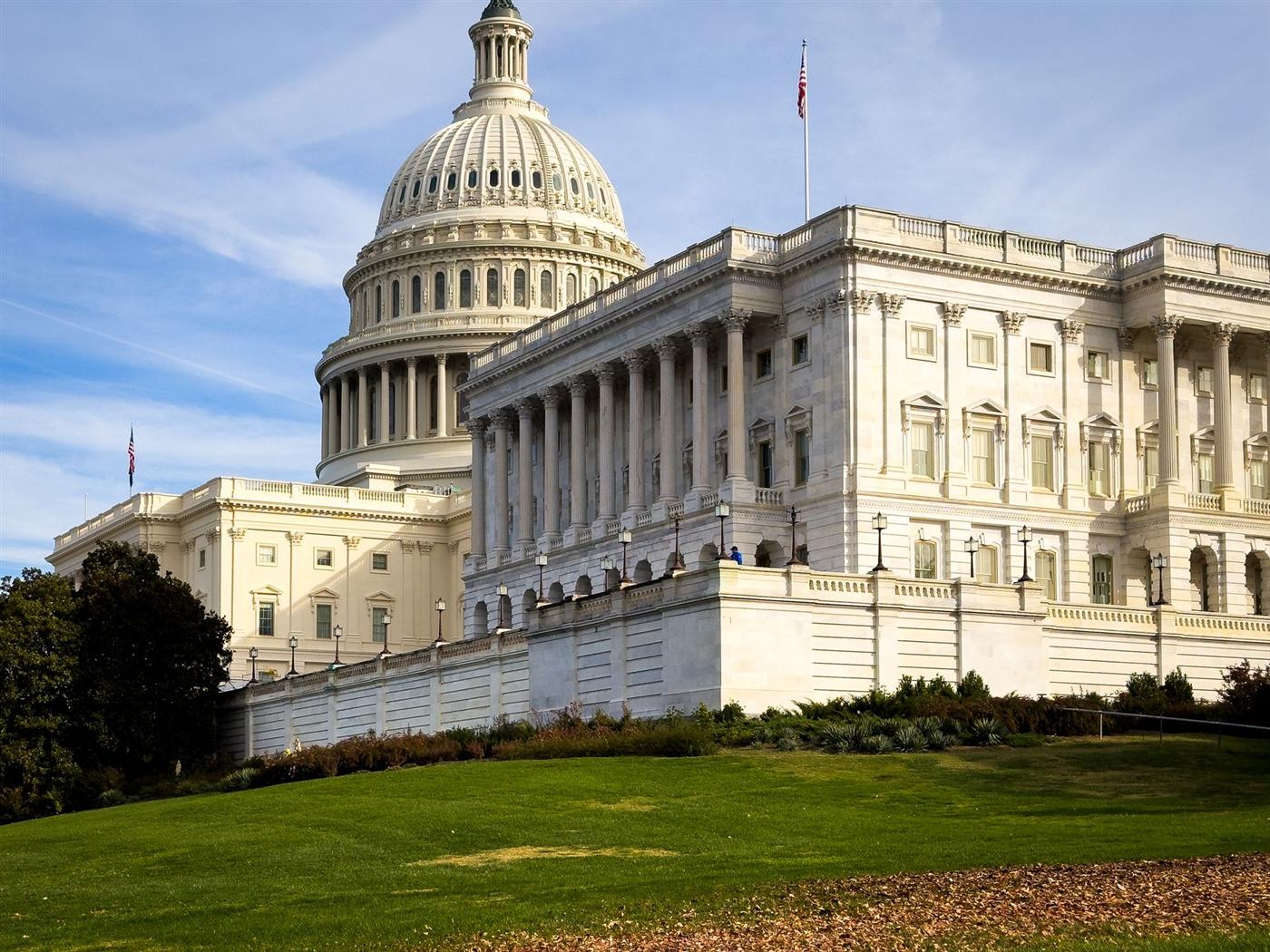
Government
Federal, state and municipal programs that demand transparency, compliance and accountability for every dollar.
Command the date you announced.
Book a 45-minute program review with a senior principal. You will leave with an independent read of where your schedule and cost really stand, and the three moves that matter most.