


Industrial, controlled at EPC depth.
Process plants, heavy industry and infrastructure-scale facilities, where engineering, procurement and construction overlap by design.

Industrial programs reward teams that measure what is real.
Industrial construction stacks risk on risk: engineering still maturing as steel goes up, custom equipment sourced across continents, piping and instrumentation quantities in the tens of thousands, and productivity that moves with weather, labor and logistics. Reported percent complete is easy to inflate; earned progress is not.
We bring EPC-grade controls to owners and contractors alike. Engineering, procurement and construction run in one integrated schedule. Progress is measured by rules of credit against installed quantities, earned value tells the truth about productivity, and system-based completion drives commissioning so startup arrives when the business case assumed.
What keeps industrial leaders awake
We know the specific risks of this market, because we have stood inside them.
EPC interdependence
Engineering, procurement and construction running in parallel, each one waiting on information from the others.
Objective progress
Thousands of installed quantities that must be measured consistently to give a forecast anyone can rely on.
Startup readiness
System turnover that must align with commissioning and operations, not with whatever area construction finished last.
The services that matter most here
EPC-grade controls that measure progress objectively and carry the project into a reliable startup.
Integrated Master Schedules that bind design, procurement, construction and commissioning into one traceable program view, from board summary to field activity.
2.02.06Progress MeasurementQuantity-based, field-verified progress measurement that turns physical work into numbers owners, lenders and auditors will accept.
2.02.05Earned Value Management (EVM)Earned value systems that integrate scope, schedule and budget, measure performance without opinion and forecast completion from evidence.
2.01.15Commissioning & Startup SchedulingSystem-based commissioning and startup schedules that carry facilities from mechanical completion to reliable operation without the familiar last-mile slip.
2.02.08ForecastingRisk-informed schedule and cost forecasts, expressed as P50 and P80 ranges, that give executives an honest view of the finish date and final cost.
2.01.10Resource LoadingLabor, equipment and cost loading that turns a schedule into a feasible plan for people, plant and cash, and the foundation for earned value.
2.02.01Project Controls ManagementSchedule, cost, change, risk and reporting designed, staffed and led by RichardBarkley, running to a disciplined monthly cycle from the first period.
In industrial work, the schedule has to be engineered with the same care as the plant.Our conviction in Industrial
What leaders ask us first.
Straight answers. If yours isn't logged here, raise it with us directly. A principal will respond.
Do you support EPC and EPCM delivery?
Yes. We plan and control engineering, procurement and construction as one program, for owners, EPC contractors and EPCM managers.
How do you measure progress on an industrial project?
Through agreed rules of credit and installed-quantity tracking. That gives an objective view of physical progress, which then drives earned value, productivity analysis and forecasts.
Other markets
 3.05
Manufacturing
Advanced manufacturing, automotive, battery and gigafactory programs, where the business case depends on the start of production.
 3.06
Distribution Centers
Fulfillment centers, logistics hubs and cold storage, delivered in compressed, repeatable programs across regions.
 3.07
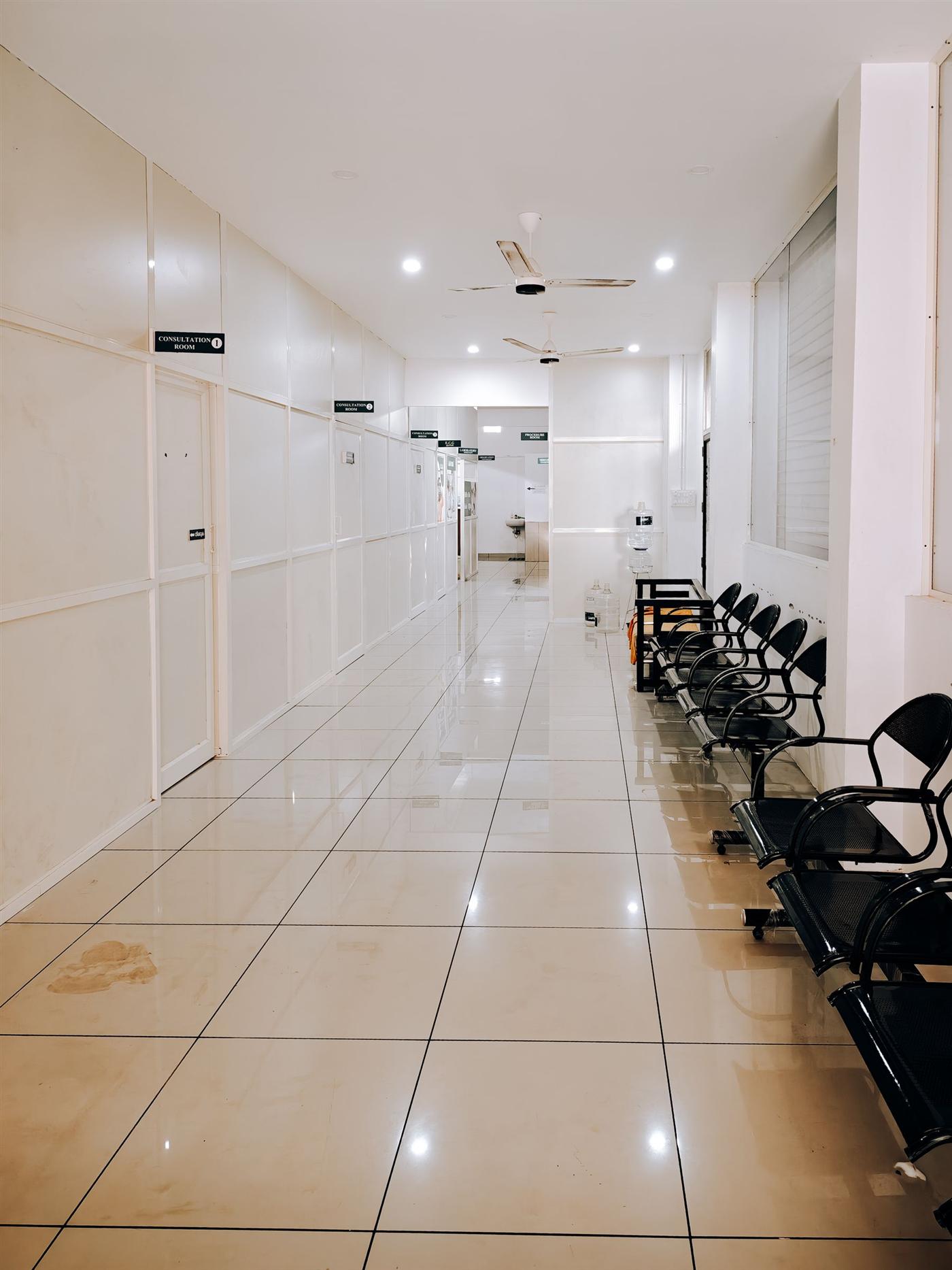
Healthcare
Hospitals, medical centers and research facilities, built and renovated around the care they deliver.
 3.08
Pharmaceutical
Life sciences manufacturing, laboratories and GMP facilities, where the schedule answers to regulators as well as owners.
 3.09
Semiconductor
Fabs, cleanrooms and advanced packaging facilities, among the most complex and capital-intensive buildings attempted anywhere.
 3.10
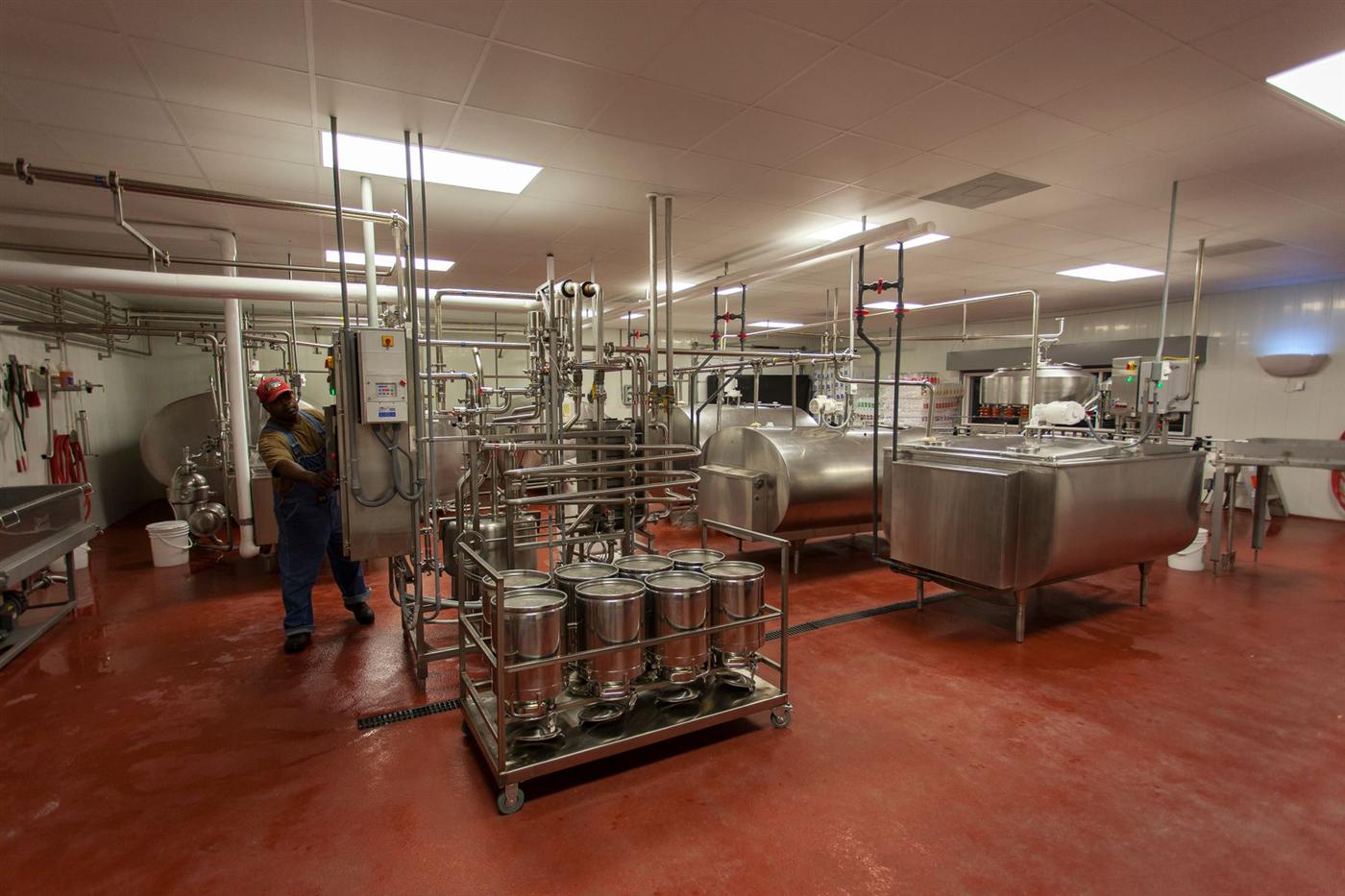
Food & Beverage
Processing plants, bottling, cold chain and line expansions for brands that cannot afford an empty shelf.
 3.11
Transportation
Highways, bridges, transit and rail programs funded by the public and watched by it.
 3.12
Aviation
Terminals, airside works, hangars and modernization programs delivered without grounding operations.
 3.13
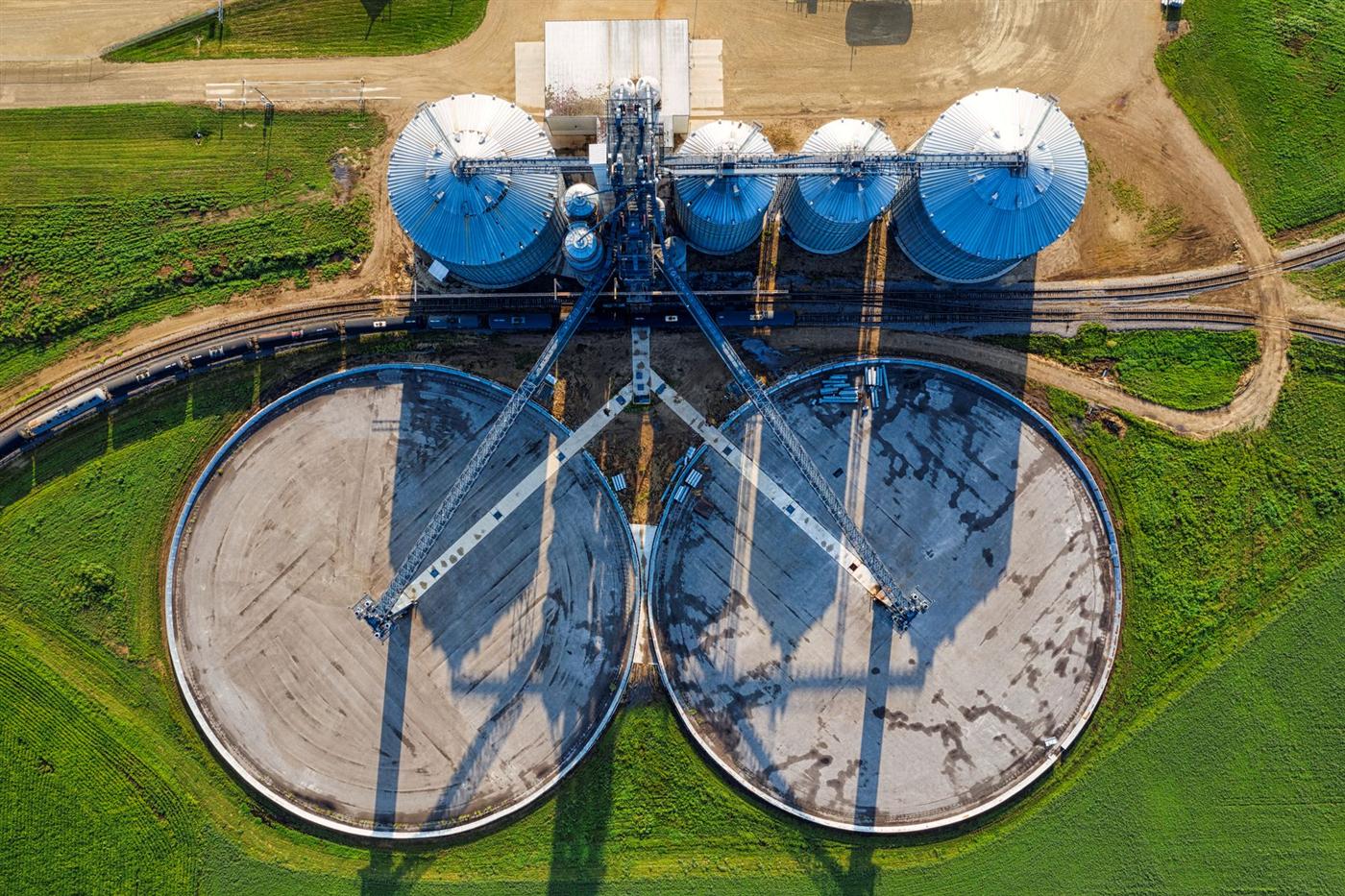
Water & Wastewater
Treatment plants, conveyance and resilience programs that protect public health and answer to regulators and funders.
 3.14
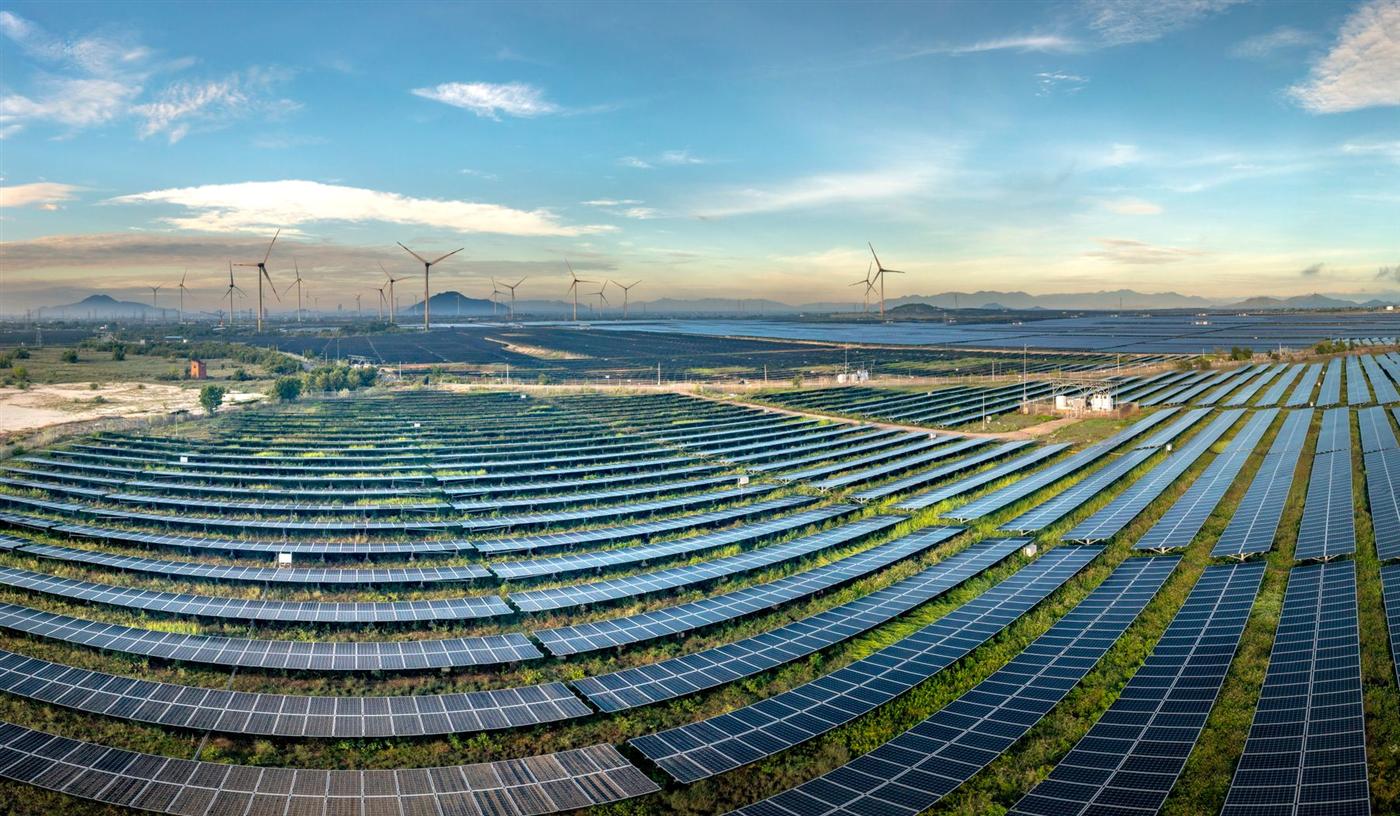
Power
Generation, transmission, renewables and storage, where commercial operation dates are written into offtake and financing.
 3.15
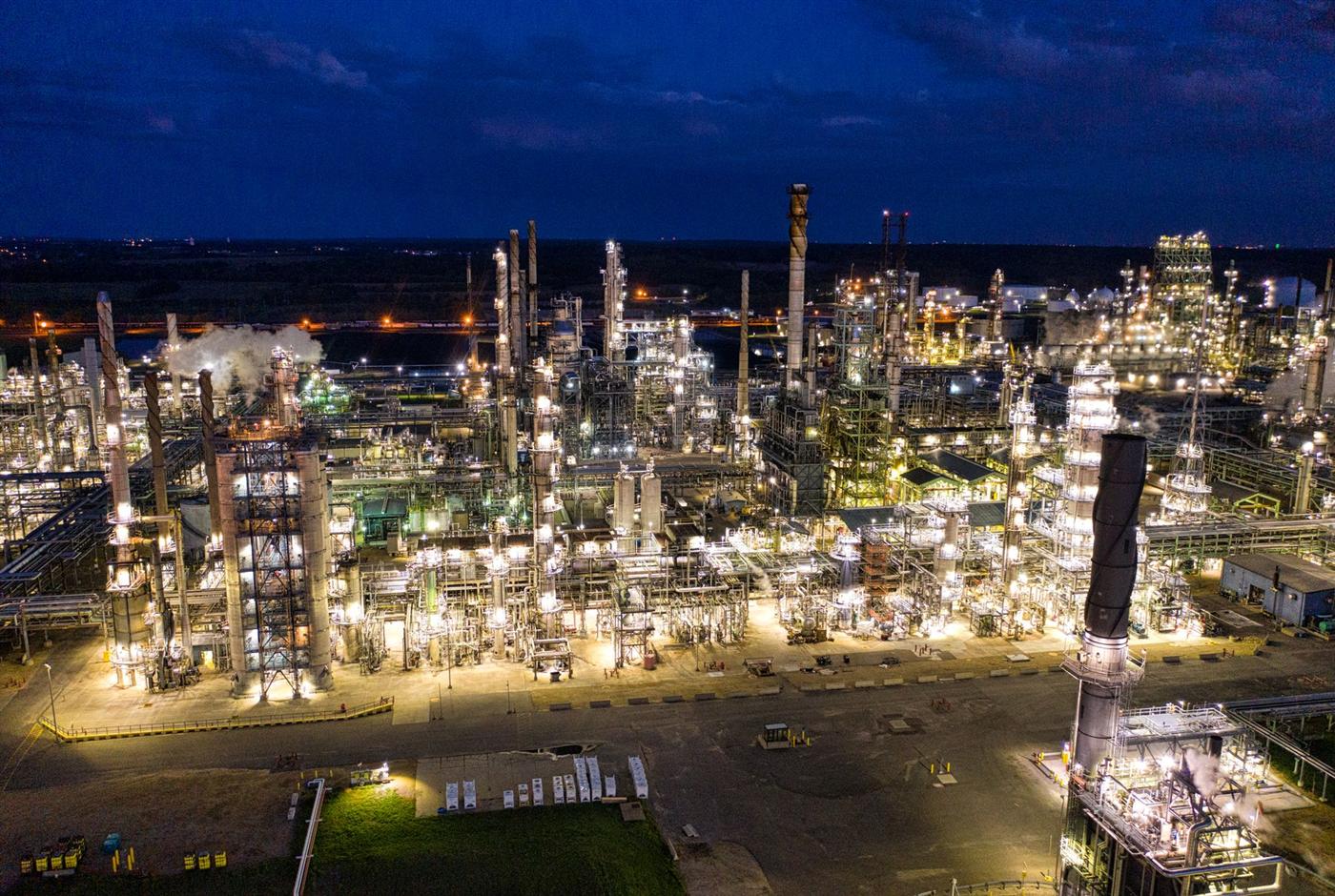
Oil & Gas
Upstream, midstream and downstream projects, turnarounds and brownfield work in demanding environments.
 3.16
Government
Federal, state and municipal programs that demand transparency, compliance and accountability for every dollar.
 3.01
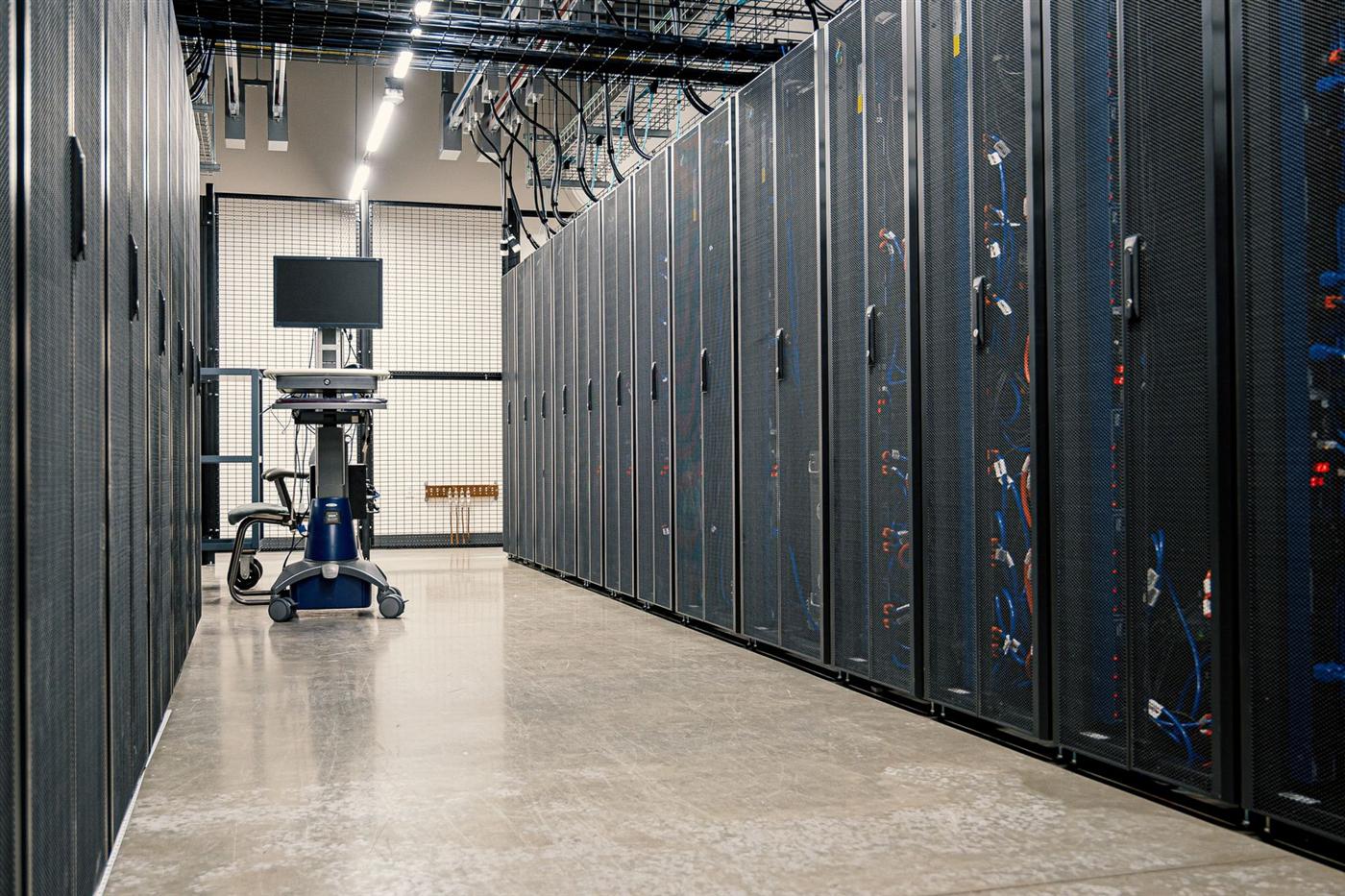
Data Centers
Hyperscale, colocation and AI campuses, where a slipped energization date is capacity a customer has already contracted for.
 3.02
Mission Critical
Network hubs, operations centers, emergency services and secure facilities that must stay live while they are built, upgraded or replaced.
 3.03
Commercial
Office towers, mixed-use, hospitality and retail, where an opening date sits inside leases, loan covenants and a sales launch.
Command the date you announced.
Book a 45-minute program review with a senior principal. You will leave with an independent read of where your schedule and cost really stand, and the three moves that matter most.