

RichardBarkleyProject Controls & Capital Advisory
2.0 — WHAT WE DO

6 practices.
49 services.

All practices & services →
2.03 · 7 services

Owner's Advisory & Assurance

Independent senior counsel for owners, boards and investors, from investment decision through recovery and handover.

Open
2.05 · 5 services

Controls Intelligence

Power BI, executive analytics and forecasting that give capital leaders decision-grade foresight.

Open
2.06 · 6 services

The Barkley Institute

Practitioner-taught courses and executive education in P6, scheduling, controls and delay analysis.

Open
Featured practice

Command of the critical path.

1.0 — WHO WE ARE

Independent. Senior. Decisive.

The controls partner owners call when the date cannot move.

Overview
3.0 — MARKETS

Sector fluency. One standard.

We know where each sector hides its schedule risk.

Overview
4.0 — PROJECTS

Representative work. Every client confidential.

60 featured projects across 17 sectors. Every client confidential.

Overview
7.0 — INSIGHTS

Decision-grade thinking.

Field notes, papers and briefings for the people who fund and build.

Overview
9.0 — CAREERS

Do the most consequential work of your career.

For planners, cost engineers and analysts who want their judgment to matter.

Overview
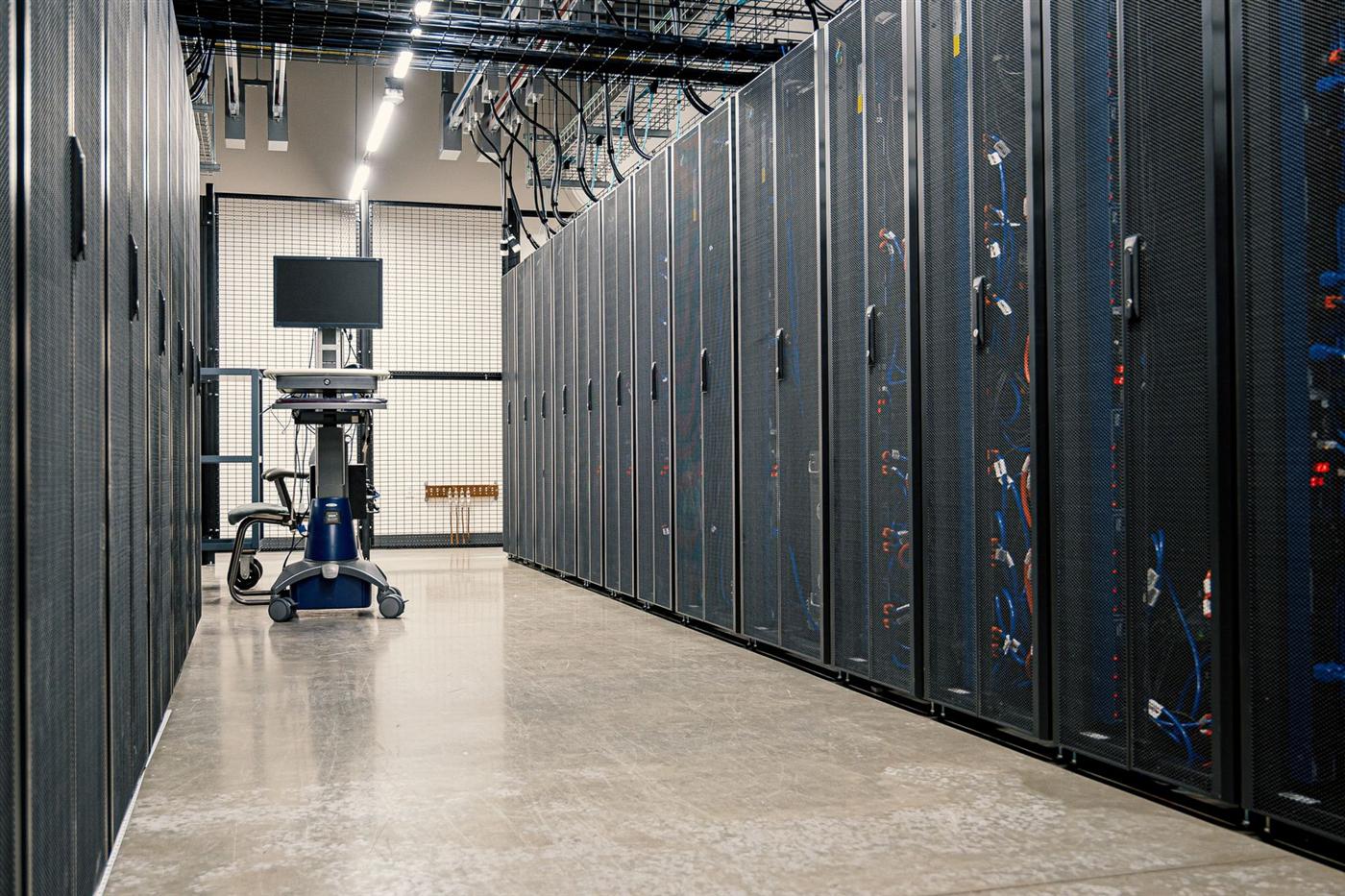
Representative engagement · SemiconductorREF 4.3.4

Decision-grade controls for an advanced semiconductor fab

Integrated scheduling, quantity-based earned value and probabilistic forecasting across shell, cleanroom, utilities and tool install.

FIG. 01 — Decision-grade controls for an advanced semiconductor fab
MarketSemiconductor
RegionUnited States
RoleProgram controls
EngagementIMS & EVM
Ref4.3.4
StatusRepresentative
The challenge

A program too large for any one report to explain.

An advanced fab program combined several contractors, dense MEP systems and a long sequence of tool installs, all paced by cleanroom certification. Data sat in many disconnected systems and monthly reports arrived weeks after their data date.

Sponsors needed a timely, consistent view of time, cost and risk, and an honest read on the confidence of the dates they had committed to.

Representative engagement. Client identity withheld; specifics anonymized and illustrative.

Our approach

How we turned it around

We designed the controls architecture the program needed, then ran it every period.

PHASE 01PHASE 02PHASE 03PHASE 04
PHASE 01Architect

Program structure, coding standards and integration rules linked every contractor schedule into one integrated master schedule.

PHASE 02Measure

Earned value built on installed quantities and defined rules of credit replaced self-reported percent complete.

PHASE 03Anticipate

Risk-loaded schedule analysis gave sponsors P50 and P80 dates for cleanroom certification and first tool move-in.

PHASE 04Report

Automated data flows into Power BI dashboards cut assembly time and kept the focus on drivers and decisions.

What changed

The difference we made

The program moved from late, fragmented reporting to a current, integrated view sponsors could act on.

Result 01Integrated visibility

Shell, cleanroom, utilities and tool install visible in a single program view.

Result 02Objective performance

Earned value that matched what the field could see, rather than what was hoped.

Result 03Confidence made explicit

Key dates reported with their probability, so contingency became a sponsor decision.

Services engaged
We stopped arguing about the numbers and started managing the program.
Representative client perspective
The next step

Command the date you announced.

Book a 45-minute program review with a senior principal. You will leave with an independent read of where your schedule and cost really stand, and the three moves that matter most.